Must see in Venice Italy around San Marco when choosing your base
For many travelers, the must see in Venice Italy begins around San Marco, where the city’s ceremonial heart still beats. Staying within a 10 minute walk of Piazza San Marco allows you to step into the square at dawn, when the light is soft and the crowds have not yet arrived. This location gives you the best access to the top landmarks while keeping your walking time between sights pleasantly short.
St. Mark Basilica is the spiritual anchor of this area, and it is one of the absolute best things any guest can visit during a first trip Venice. Its Byzantine domes, golden mosaics, and shimmering marble floors show why the city once ruled the seas with such confidence. Booking a hotel near San Marco means you can return in the evening, when the façade glows above the water and the atmosphere feels almost private.
Right beside the basilica stands the Doge Palace, the former seat of power that defines many must see in Venice Italy lists. A timed entry ticket lets you cross the Bridge of Sighs and walk through grand council chambers before the day tours arrive. When you stay nearby, you can schedule a quieter early tour Venice or a late small group visit, then retreat to your room for a rest before your next gondola ride.
St Mark’s Campanile rises over the piazza, and from its top platform you see the full lagoon, the Grand Canal mouth, and the island of San Giorgio in one sweeping view. This bell tower over Piazza San Marco offers panoramic vistas that help you understand the city’s layout at a glance. If you book in this central part of Venice Italy, you can time your ascent for the clearest part of the day, often late afternoon when the light softens over the water.
Choosing a hotel near San Marco also shapes how you experience the city after dark, when orchestras play in Piazza San Marco and the marble of the palace reflects in the shallow puddles. You will find that even a short evening walking tour around the square reveals quieter corners behind the arcades, where local residents still slip home along narrow passages. For many guests, this balance of iconic things Venice and calm side streets makes the area one of the best bases for a first stay.
Grand Canal, Rialto Bridge and the art of staying central
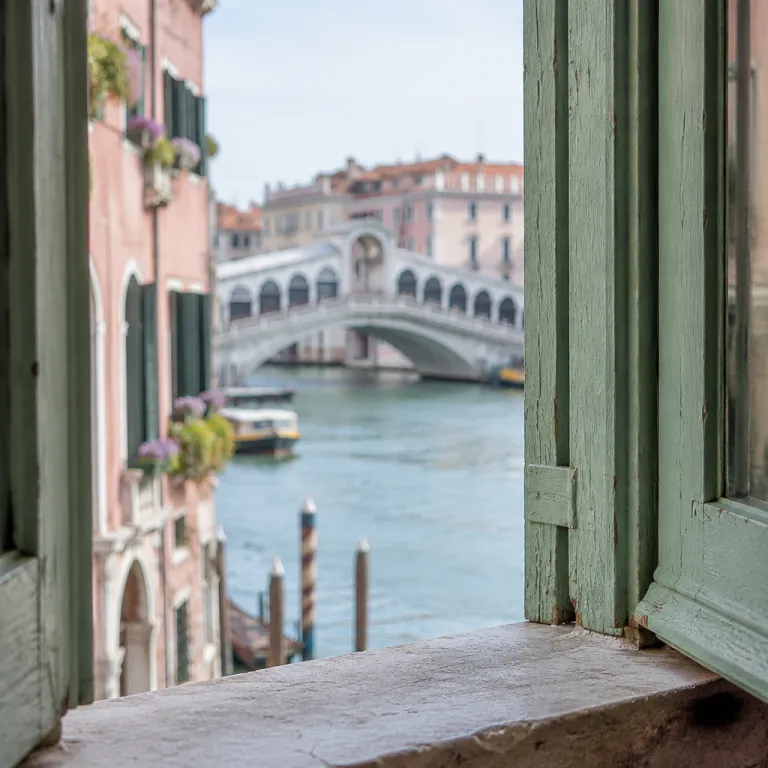
Another way to frame the must see in Venice Italy is to follow the sinuous curve of the Grand Canal, which cuts through the city like a glittering main street of water. A hotel along this canal gives you front row seats to the constant movement of vaporetti, gondola traffic, and working boats that keep Venice alive. From here, you can reach both San Marco and the Rialto Bridge area in less than a day’s gentle exploration.
The Rialto Bridge is one of the top landmarks, and staying within walking distance lets you visit at sunrise, midday, and night to feel how the atmosphere changes. Early in the day, the nearby market fills with fishmongers and vegetable stalls, which is one of the best things to see if you want to understand daily life rather than only monuments. Later, when the crowds swell, you can slip back to your room, then return for a quieter evening stroll across the span.
Guests who love art often choose a central hotel that allows easy access to the Peggy Guggenheim Collection on the Grand Canal, where modern works hang inside a former palace. From this stretch of water, you can also reach the Gallerie dell’Accademia and then cross back toward San Marco by way of intimate side streets. This pattern of short walks and vaporetto hops turns each Venice day into a relaxed sequence of manageable things Venice rather than a rushed checklist.
If you are drawn to more poetic corners, consider staying near the Scala Contarini del Bovolo, a hidden spiral staircase tucked between San Marco and Rialto. Properties in this area place you close to both the Rialto Bridge and the main square, yet the lanes feel surprisingly quiet after dark. For a deeper look at this micro neighbourhood, read about staying near Venice’s most poetic staircase on this detailed guide to Scala del Bovolo and its surroundings.
Central locations along the Grand Canal or near Rialto also simplify your arrival and departure, because many hotels here sit close to vaporetto stops and private water taxi jetties. That means less time hauling luggage over bridges and more time enjoying a sunset gondola ride or a small group walking tour through the back streets. When you evaluate options, check how many bridges stand between your chosen address and the nearest stop, because this detail will shape every single trip Venice you make during your stay.
Rialto and San Marco hotspots for hotel guests who love to walk
Travelers who prefer to explore on foot often ask which areas around Rialto and San Marco offer the best balance between must see in Venice Italy highlights and authentic neighbourhood life. The answer usually lies just a few streets back from the main routes, where the city suddenly quiets and the canals narrow. From these pockets, you can reach the top sights in minutes while still waking up to the sound of water lapping against stone.
A hotel between Rialto and San Marco places you at the core of the city, so every day can start with a different walking tour that radiates outward. One morning you might cross the Rialto Bridge, wander through the market, then follow side canals toward the Jewish Ghetto in Cannaregio for a calmer afternoon. Another day, you will perhaps head toward the Doge Palace and St Mark Basilica, then loop back through Castello’s residential lanes where laundry hangs above the canal.
Because Venice Italy is compact, staying central means you rarely spend more than 20 minutes walking between major landmarks, even at a gentle pace. This is ideal if you plan to join a small group tour Venice in the morning, then return to your room before an evening gondola ride along a quieter canal. To refine your strategy, consult a practical guide on how to visit Venice Italy like a hotel savvy traveler, which helps you match neighbourhoods to your style.
Rialto and San Marco also work well if you are short on time, perhaps only one Venice day before moving on through Italy. From here, you can fit in the best things: a morning visit Venice to Piazza San Marco, a midday vaporetto along the Grand Canal, and an afternoon stop at the Peggy Guggenheim Collection. Evening can then be reserved for a slow stroll past the Bridge of Sighs and a late drink beside a softly lit canal.
When comparing hotels in these hotspots, pay attention to how close they sit to busy thoroughfares versus tucked away campi. A room directly on a main route between San Marco and Rialto will offer constant energy but also more noise, while one facing an inner courtyard or small canal feels calmer. Reading recent guest reviews with an eye for comments about sound levels and foot traffic will help you choose the right balance for your own trip Venice.
Lagoon islands, Murano Burano tours and how they shape your stay
Many guests planning what is truly must see in Venice Italy forget to factor in the lagoon islands, yet these excursions can define the rhythm of your visit. Murano, Burano, and Torcello each offer a different mood, from glass furnaces to painted houses and ancient mosaics. Where you stay in the city will influence how easy it feels to reach each island and still enjoy a relaxed evening back at your hotel.
If you plan a combined Murano Burano tour, consider a base near Fondamente Nove on the northern edge of Venice, because most boats depart from this area. From here, the crossing time is shorter, which leaves more of your day free for wandering Burano’s colourful lanes or watching glassmakers at work in Murano. Guests based near San Marco or the Grand Canal can still reach these piers, but they should allow extra walking time or a vaporetto transfer at the start of the day.
Organised small group excursions to each island often include a guide who explains how the lagoon’s shallow water once protected Venice from attack and shaped its trade routes. Joining one of these tours can be one of the best things for first time visitors, because it connects the city’s palaces and churches with the wider landscape. After a full Venice day on the water, returning to a quiet room away from the busiest streets becomes especially valuable.
Independent travelers may prefer to visit Venice islands using regular vaporetti, which run frequently from morning until late evening. This approach lets you control your own schedule, perhaps spending more time on Burano and less on Murano, or adding a peaceful stop on Torcello before heading back. When choosing a hotel, check how long it will take to reach your preferred departure stop, because this detail can turn a simple outing into either a pleasure or a chore.
Remember that the lagoon counts more than one hundred islands, even if most visitors only see a handful during a short trip Venice. Planning at least one full day on the water helps you understand why Venice Italy developed as a maritime republic rather than a landlocked city. For many guests, the contrast between the quiet of Burano at sunset and the glow of San Marco on their return becomes one of the enduring things Venice they remember most.
Gondola rides, canals and choosing a room by the water
Any list of must see in Venice Italy will include a gondola ride, yet the experience varies greatly depending on where you board and where you sleep. A room directly on a canal offers constant contact with the water, from the sound of oars at dawn to reflections dancing on your ceiling at night. Some travelers love this immersion, while others prefer a quieter courtyard outlook with canals only a short walk away.
For a more intimate gondola ride, avoid the busiest stations near the Rialto Bridge and San Marco, where queues form and routes feel predictable. Instead, ask your hotel to recommend a nearby traghetto stand or a smaller canal where gondoliers still navigate under low bridges and past residential palazzi. This approach turns a simple tour Venice into a slow glide through everyday life, with laundry overhead and children playing on the fondamenta.
When comparing hotels, note whether rooms face the Grand Canal, a side canal, or an internal courtyard, because each option shapes your Venice day differently. Grand Canal views bring constant movement and light, ideal if you enjoy watching vaporetti, gondolas, and working boats from your window. Smaller canals feel more intimate, while courtyards offer the best chance of silence if you are a light sleeper.
Some properties also arrange private boat transfers from the airport, which can be a memorable way to start your trip Venice. Arriving by water taxi allows you to see the city’s skyline, pass San Giorgio Maggiore island, and slip under low bridges before stepping directly into your lobby. This service usually costs more than a shared boat, but for many guests the time saved and the sense of arrival justify the expense.
Even if you do not stay directly on the water, choose a location within a few minutes’ walk of a vaporetto stop on the Grand Canal. This makes it easy to reach the Doge Palace, St Mark Basilica, and other top sights without long detours through crowded alleys. Over several days, that convenience becomes one of the best things about your chosen base, especially if you plan multiple early starts or late returns.
Cannaregio calm, Castello character and hotel choices beyond the hotspots
Not every must see in Venice Italy moment happens near San Marco or the Rialto Bridge, and many seasoned travelers now prefer quieter districts such as Cannaregio or Castello. These neighbourhoods sit within the historic city yet feel more residential, with fewer souvenir stalls and more local cafés. Choosing a hotel here can give you calmer nights while still keeping the main sights within a comfortable walking tour.
Cannaregio stretches along long canals toward the lagoon and includes the historic Jewish Ghetto, where synagogues and narrow alleys preserve a different side of Venice Italy. Staying here places you close to Fondamente Nove for lagoon boats, while San Marco and the Doge Palace remain about 20 to 25 minutes away on foot. Many guests find this balance ideal, because each Venice day begins in a quieter setting before they step into the busier core.
Castello, which borders San Marco to the east, offers another appealing option for those who want both character and convenience. Hotels near the Arsenale or the Giardini sit close to broad canals and leafy promenades, yet Piazza San Marco and St Mark Basilica remain within easy reach. This area works especially well if you enjoy longer walks, because you can loop through back streets in the morning and return along the waterfront at sunset.
To understand the atmosphere of these districts, consider reading a detailed account of a Cannaregio morning with coffee by the canals, such as the one shared on this guide to the Venice that still lives in Cannaregio. Such descriptions help you picture whether you prefer waking up near a busy square or a quieter fondamenta where locals greet each other by name. Your answer to that question will guide you more reliably than any generic list of best things to do.
Wherever you stay, remember that Venice counts around four hundred bridges and more than one hundred islands, so distances on the map can feel longer in real life. Factor in how many bridges you will cross each day, especially if you have heavy luggage or limited mobility. With thoughtful planning, you can enjoy the top must see in Venice Italy sights while returning each evening to a neighbourhood that truly matches your pace and style.
Key figures and practical statistics for planning your Venice stay
- Venice is built across about 118 islands in its lagoon, according to official tourism data, which explains why boat travel and water based tours remain essential for moving between districts and outlying communities.
- The city is linked by roughly 400 bridges, based on Visit Venice listings, so even short walks between San Marco, the Rialto Bridge, and Cannaregio can involve multiple bridge crossings that affect luggage handling and daily comfort.
- Vaporetto line 1 along the Grand Canal is considered the most scenic public route, because it passes many historic palaces and offers a lower cost alternative to a private gondola ride while still delivering classic canal views.
- Spring and autumn generally bring milder temperatures than peak summer, which makes a full Venice day of walking tours and island excursions more comfortable for most visitors who are planning several consecutive days of sightseeing.
FAQ about must see in Venice Italy and hotel locations
What are the essential must see in Venice Italy sights near San Marco?
The core must see in Venice Italy sights near San Marco include St Mark Basilica, the Doge Palace with its Bridge of Sighs, and St Mark’s Campanile overlooking Piazza San Marco. From a hotel in this area, you can also reach the Grand Canal in minutes for vaporetto rides past historic palaces. This concentration of landmarks makes the district ideal for first time visitors who want to minimise travel time between major attractions.
Is it better to stay near the Rialto Bridge or in Cannaregio?
Staying near the Rialto Bridge keeps you very central, close to both San Marco and the main shopping streets, but the area can feel crowded and noisy late into the evening. Cannaregio, by contrast, offers quieter canals, the historic Jewish Ghetto, and easier access to lagoon boats from Fondamente Nove, while still being about 20 minutes on foot from San Marco. Guests who value calm nights and more local ambience usually prefer Cannaregio, while those focused on quick access to top sights often choose Rialto.
How many days do I need in Venice to see the main sights?
Allow at least two full days in Venice Italy if you want to see San Marco, the Doge Palace, the Rialto Bridge, and enjoy a gondola ride without rushing. A third Venice day lets you add a trip to Murano and Burano or spend more time in museums such as the Peggy Guggenheim Collection. With four or more days, you can explore quieter districts like Castello and Cannaregio and still return to your favourite places for repeat visits.
Do I need to book tickets in advance for the Doge Palace and St Mark Basilica?
Advance booking is strongly recommended for both the Doge Palace and St Mark Basilica, especially during busy months and weekends. Timed entry tickets reduce waiting time and help you plan your day around specific slots, which is particularly useful if you also schedule a walking tour or a lagoon island excursion. Many visitors choose early morning or late afternoon entries to avoid peak crowds and enjoy a more relaxed pace inside these major landmarks.
Which area is best if I want to visit Murano and Burano?
If visiting Murano and Burano is a priority, staying near Fondamente Nove in Cannaregio offers the most convenient access to regular boats and small group tours. From there, travel time to each island is shorter, leaving more of your day free for exploring glass workshops and colourful streets. Guests based near San Marco or the Grand Canal can still reach these islands easily, but they should allow extra time for walking or vaporetto connections at the start and end of each outing.
Trusted references for further planning
For deeper practical information about Venice, consult the official Venezia Unica tourism portal, the Italian National Tourist Board (ENIT), and the UNESCO World Heritage Centre pages dedicated to Venice and its lagoon.