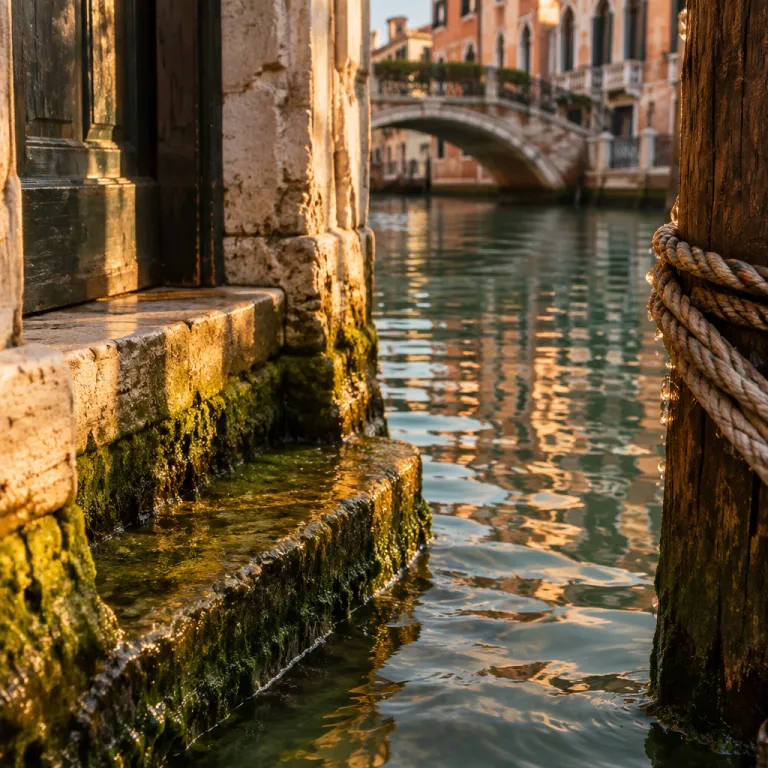
Venice Italy bridges and canals facts every hotel guest should know
Venice is a compact lagoon city built on more than one hundred small islands, all stitched together by bridges that shape how you move and where you sleep. The most important of all these crossings spans the grand curve of the Grand Canal, turning a simple walk into a lesson in history and urban theatre. When you compare hotels in different Venice districts, understanding how each bridge and canal connects to the lagoon will quietly determine how easy your stay feels.
The Grand Canal is the main waterway Venice relies on for everyday life, carrying water buses, private boats, and cruise ships past palaces of pale stone that once belonged to the doge and the wealthiest merchants. Along this grand water street, the famous Rialto Bridge stands as a stone landmark, while other crossings include a wooden span and more recent structures in steel. These bridges in Venice do more than span water; they link neighbourhoods, concentrate people, and influence room prices, especially near San Marco and the historic core of the city.
Across the wider Venetian Lagoon, smaller canals used for local traffic weave between islands where the sea meets the city in quiet backwaters. Here, the facts of daily life are different, with acqua alta flooding some low-lying calli and making certain bridge crossings temporarily unusable. If you choose a hotel in a quieter canal district, you will trade immediate Grand Canal drama for calmer water views and easier access to the open Adriatic Sea.
Grand Canal icons and how they shape your hotel choice
The Grand Canal is the ceremonial spine of Venice, and staying near it places you inside a living gallery of bridges, palaces, and water traffic. Many travellers search for information about Venice’s bridges and canals because they want a room that overlooks this grand curve rather than a hidden side waterway. When you compare hotels near the Grand Canal, the distance to each bridge and to key vaporetto stops becomes as important as the view itself.
The Rialto Bridge area is ideal if you want intense street life, quick access to markets, and easy movement across the main canal corridor at almost any hour. Rooms facing the Rialto or the nearby stone crossings often command higher rates, yet they reward you with direct views of boats gliding over green water and the constant flow of people. For a more tranquil atmosphere, some guests prefer the stretch of Grand Canal near San Giorgio and San Marco, where the city opens toward the wider Venetian Lagoon.
If you are choosing among Venice Italy hotels near Canal Grande, pay attention to whether your building sits closer to a wooden bridge, a historic ponte in carved stone, or a modern crossing with ramps. Each type of bridge affects luggage handling, accessibility, and how quickly you can reach San Marco, the Doge’s Palace, or the main cruise terminal. For a detailed breakdown of how to select the right canalfront stay along the Grand Canal, you can consult this guide on how to choose a Venice hotel near Canal Grande, which focuses on practical movement along the waterways Venice uses most.
From Rialto Bridge to San Marco: what your room view really means
When you book a room near the Rialto Bridge, you are placing yourself at the commercial heart of Venice, where the city has traded across the Adriatic for centuries. This stone bridge, known locally as Ponte di Rialto, was once the only fixed crossing of the Grand Canal and still concentrates people, markets, and water traffic. Hotels here often offer balconies over the Grand Canal, but they also sit above some of the busiest canals in the city, with noise and constant movement late into the night.
Closer to San Marco, the Grand Canal widens into a luminous basin where the city meets the Adriatic Sea and the broader Venetian Lagoon. Rooms facing this stretch of water look toward San Giorgio Maggiore, the Doge’s Palace, and the long waterfront promenade where cruise ships once passed very close to the historic core. Guests who choose this area enjoy grand views of sea and lagoon, yet they must accept that acqua alta can occasionally affect access to ground floor entrances and the lowest stone bridge approaches.
Between these two icons, smaller bridges in Venice link quiet calli to the main canal route, offering a compromise between spectacle and calm. A hotel set one or two crossings back from the Grand Canal may overlook a narrow waterway where wooden bridges and low stone arches frame reflections of palazzi in still water. For many travellers, this balance between proximity to the grand waterway and the intimacy of side canals is the ideal way to experience everyday city life.
Understanding Venice lagoon geography before you choose your district
The Venetian Lagoon is a shallow body of water separated from the Adriatic Sea by barrier islands, and Venice sits near its centre on a cluster of low-lying islands. This geography explains many practical facts about bridges and canals, from the need for countless small crossings to the way water levels shift with tides and wind. When you choose a hotel, you are also choosing how closely you want to live with the rhythms of lagoon and sea.
In the inner lagoon, canals dredged over centuries form watery streets that carry everything from food supplies to building materials. Some districts closer to the open Adriatic have wider canals and higher embankments in stone, while others rely on modest wooden bridges and low quays that feel almost at water level. Guests who stay near the edges of the city, especially toward the cruise terminals, often experience stronger breezes from the sea and slightly more movement in the water under each bridge.
On outer islands such as San Giorgio Maggiore, the relationship between lagoon, city, and sea becomes even clearer, with views back toward Venice that reveal the full sweep of the Grand Canal mouth. Hotels on these islands can feel more like retreats, yet they require regular boat transfers across open water, which may not suit every traveller. If you are passionate about photography and want to understand how bridges, canals, and lagoon light interact, this in-depth guide on how your hotel location shapes the best Venice photography spots will help you match your district to your creative goals.
History in stone and water: how centuries of bridges shape today’s stays
The history of Venice is written in stone, water, and the arches of every ponte that carries people over the canals. From the earliest wooden structures to the monumental stone span of the Rialto, each crossing reflects a different century the city spent balancing trade, defence, and ceremony. When you sleep in a palace turned hotel along the Grand Canal, you are sharing walls with stories that reach back to the time when the doge ruled a maritime empire across the Adriatic Sea.
Many of today’s bridge and canal patterns trace back to the need to connect separate islands into a single functioning city without blocking boat traffic. Early builders favoured timber designs because they were lighter and easier to repair, yet over time these gave way to more durable stone arches that still define the skyline of Venice’s waterways today. The Rialto Bridge, the Doge’s Palace waterfront, and the arcades of San Marco together form a grand stage where history, commerce, and tourism now intersect.
Modern engineers face new challenges, from the weight of millions of visitors crossing each bridge to the impact of acqua alta on foundations and pavements. Some newer crossings over busy routes use steel and concrete, yet they still echo the elegant curves of older ponte designs in stone. As you choose a hotel, you will notice that buildings closest to the oldest bridges and to the ceremonial heart of the city often carry a premium, reflecting both their history and their unmatched access to the water.
Practical movement: bridges, luggage, and daily routes from your hotel
For anyone booking a hotel in Venice, the most practical of all bridge and canal facts is simple: every bridge means steps, and every step matters when you are carrying luggage. The city has very few ramps, so each ponte you cross between the vaporetto stop and your hotel adds effort, especially if it is a high stone arch over a busy canal. Choosing a location with fewer crossings between your arrival point and your room can transform your first and last days in the city.
Areas near the Rialto Bridge and San Marco offer dense networks of bridges, which makes sightseeing easy but can complicate arrival with heavy bags. Some hotels arrange private boat transfers along the Grand Canal or quieter canals, reducing the number of crossings you must tackle on foot. If you are arriving from cruise terminals or from the main bus station at Piazzale Roma, consider how many canal bridges lie between you and your chosen address.
Travellers with mobility concerns should pay particular attention to whether nearby bridges are low wooden structures with gentle slopes or steep stone arches with many steps. In some parts of the city, especially near San Giorgio and the eastern edge of the Venetian Lagoon, routes may involve fewer crossings but longer walks along the waterfront. Asking your hotel for precise directions that list each ponte and canal on the route is a wise step, and many reception teams in Venice are now used to providing this level of detail.
Choosing your atmosphere: quiet canals, grand views, or lagoon horizons
Every district of Venice offers a different balance between quiet side canals, grand ceremonial spaces, and open lagoon horizons. Guests who prioritise calm often choose hotels overlooking narrow waterways hidden behind the main streets, where a single wooden bridge or modest stone arch frames the view. Here, the soundscape is softer, with the splash of water against foundations and the occasional call of people crossing a nearby ponte.
Those who want the full drama of Venice’s bridges and canals in action tend to book along the Grand Canal or near the basin between San Marco and the Doge’s Palace. From these rooms, you can watch boats glide between the city and the Adriatic Sea, see the silhouette of San Giorgio across the water, and feel the pulse of urban life from dawn until late evening. The trade-off is greater foot traffic on every nearby bridge, especially when cruise ships are in port and day visitors flood the historic core.
Some travellers prefer to look outward, choosing hotels closer to the edges of the Venetian Lagoon where the city meets open water and the sky feels wider. In these areas, you sense more clearly how Venice rests between lagoon and Adriatic, with islands scattered like stepping stones toward the sea. Whether you stay near Rialto, San Marco, or the quieter margins of the city, the key is to match your expectations about bridges, canals, and movement to the real geography of this unique waterbound place.
Key figures about Venice bridges, canals, and the lagoon
- Venice has more than 150 canals and over 400 bridges, according to data from the Comune di Venezia (Comune di Venezia), which explains why walking routes between hotels and landmarks often involve multiple ponte crossings.
- The Grand Canal is approximately 3.8 kilometres long and varies between 30 and 70 metres in width, creating the broad water corridor that concentrates many of the city’s most prestigious hotels and palaces.
- The Venetian Lagoon covers about 550 square kilometres, based on figures from the Istituto Superiore per la Protezione e la Ricerca Ambientale (ISPRA), showing how small the historic city is compared with its surrounding water landscape.
- Average tidal ranges in the Venice lagoon are around 60 centimetres, but acqua alta events can raise water levels by more than 110 centimetres, as recorded by the Centro Previsioni e Segnalazioni Maree (Centro Maree), temporarily affecting access to some low-lying bridges and ground floor hotel entrances.
- The Rialto Bridge stands roughly 7.5 metres above the average water level of the Grand Canal at its highest point, according to structural data published by the Comune di Venezia, allowing traditional boats and modern vaporetti to pass beneath while preserving the iconic stone arch profile.
Frequently asked questions about Venice bridges, canals, and hotel choices
How many bridges will I typically cross between the station and my hotel?
If you stay near the Grand Canal between the train station and the Rialto Bridge, you will usually cross between two and five bridges, depending on your exact route. For example, a common walk from Venezia Santa Lucia station to a hotel just behind the Rialto might involve the Scalzi Bridge, one or two smaller ponti in Cannaregio, and finally the Rialto itself. Hotels deeper inside the city, especially near San Marco or the Doge’s Palace, may require crossing six or more structures. Asking your hotel for a step-by-step route with bridge counts is the most reliable way to plan.
Is it better to stay on the Grand Canal or a side canal?
Staying on the Grand Canal gives you iconic views of palaces, bridges, and constant boat traffic, but it also brings more noise and higher prices. Rooms on side canals behind the main routes are usually quieter and can feel more residential, with fewer people passing under your windows. Many travellers choose a side canal hotel within a short walk of a Grand Canal vaporetto stop as a balanced option.
Does acqua alta often affect access to hotels and bridges?
Acqua alta, the seasonal high water that affects the Venice lagoon, usually lasts a few hours at a time and mainly impacts the lowest-lying areas such as parts of San Marco. Most hotels have adapted with raised entrances, temporary walkways, or alternative routes that avoid the most affected bridges. It is rare for guests to be completely unable to reach their hotel, but waterproof footwear can make those hours more comfortable.
Are there areas of Venice with fewer bridges and easier walking routes?
Districts closer to Piazzale Roma, the train station, and some waterfront stretches toward San Giorgio and the cruise terminals often involve fewer steep stone bridge crossings. These areas can be more convenient for travellers with heavy luggage or mobility concerns, even if they are slightly farther from San Marco. Checking a detailed map for bridge symbols along your route is a practical way to assess difficulty.
Do hotels in Venice usually have direct water entrances for boats?
Many hotels along the Grand Canal and some wider side canals have private water doors where water taxis can drop guests directly, avoiding multiple ponte crossings. Smaller properties on narrow canals or deep inside the city may only be reachable on foot via bridges. When booking, it is worth asking whether the hotel has a canal entrance and how close it is to the nearest vaporetto stop.