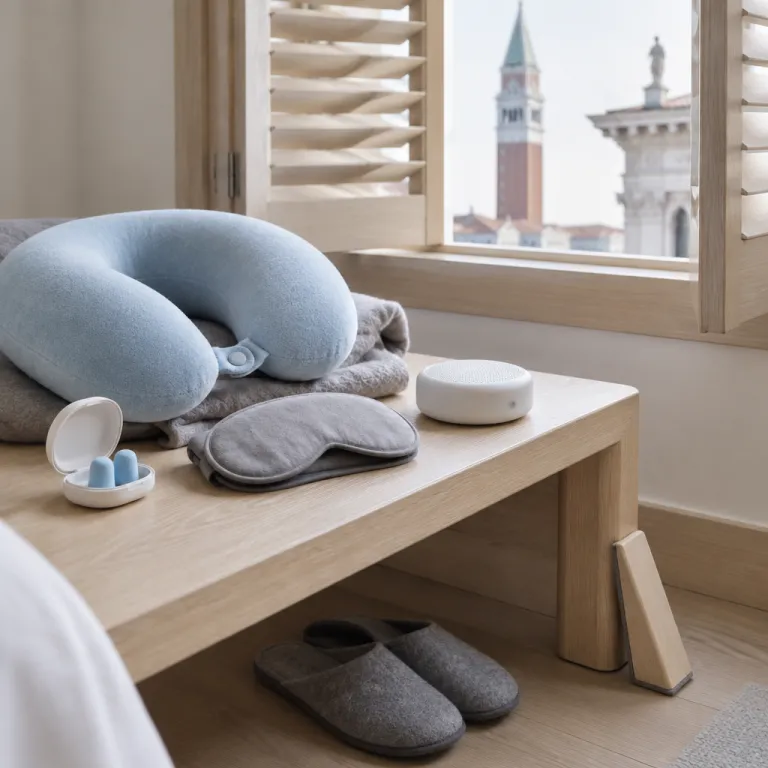
San Marco where to stay in Venice for your first nights
San Marco is the Venice postcard that tempts almost every first timer. For anyone asking “san marco where to stay venice”, the answer is simple but nuanced ; you come here when you want the city center at your feet and are willing to pay for it. The trade is beauty and convenience against noise, crowds and a higher hotel bill.
Think of the sestiere of San Marco as a fan opening from Piazza San Marco and the Grand Canal. The densest crowds press between the train station vaporetto lines, the Rialto Bridge and the mark square, turning the main arteries into a slow moving procession. Step two calli away and the rhythm softens ; this is where the best hotels in this area quietly hide.
For a short stay of two to four nights, sleeping in San Marco makes sense. You are a minute walk from the major sights, with the palace facades of the Grand Canal glowing outside and the domes of Santa Maria della Salute across the water. If mobility is limited or you are travelling with children, being close to your hotel in the true city center is not a luxury but a form of sanity.
Within San Marco itself, micro locations matter more than star hotel ratings. Rooms facing a canal behind La Fenice or near Campo San Samuele will be calmer than anything directly on Piazza San Marco, even if the hotels share the same category. When you compare hotels Venice wide, look less at the number of stars and more at the exact bridge, campo or canal your key will call home.
San Marco also works as a base for slow travellers who still want the icons. You can wake early, walk to the piazza while the paving stones are being washed, then retreat to quieter sestieri like Cannaregio or Dorsoduro by vaporetto once the day trippers arrive. In that sense, the question is not only san marco where to stay venice, but how you plan to use San Marco as a stage set rather than a permanent crowd.
Reading San Marco’s map: quiet back lanes versus the Piazza crush
The heart of San Marco runs from the Rialto Bridge to Piazza San Marco, and this is where Venice feels least like a city and most like a theme park. Between roughly mid morning and late afternoon, the area around the basilica, the palace and the waterfront is a dense corridor of tours, selfie sticks and raised umbrellas. If you book a hotel directly on the square, you accept that this spectacle will pass under your windows every day.
To sleep in San Marco without waking in the crowd, you aim for the fringes. The lanes behind Teatro La Fenice, the quieter stretches near Campo San Stefano and the calli leading towards San Samuele on the Grand Canal offer a different acoustic, with footsteps and church bells instead of rolling suitcases. A five minute walk from the piazza can mean a different Venice, even though you are still in the same sestiere and close to the best hotels for an icon focused stay.
Location shapes your days as much as your room does. Choosing a place to stay in San Marco means deciding whether you want to step out directly into Piazza San Marco or prefer a short walk that buys you sleep and lower restaurant prices. For a deeper look at how your hotel location shapes your Venice tourist attractions list, read this analysis on how your hotel location shapes your Venice itinerary.
From San Marco, you can walk to San Polo in under fifteen minutes, crossing the Grand Canal by the Rialto Bridge or by traghetto if you prefer a short gondola style ferry. That proximity makes San Marco a strategic place to stay for first timers who want to sample several sestieri without mastering the vaporetto network on day one. It also means you can sleep in a quieter San Polo side street and still treat San Marco as your evening passeggiata stage.
Remember that Venice is a walking city stitched together by bridges, not taxis. A hotel that looks central on the map may require three bridges and a long walk from the nearest vaporetto stop, which matters if you are arriving from the train station with luggage. When you weigh san marco where to stay venice against Cannaregio, Santa Croce or Dorsoduro, count bridges and walking minutes, not just straight line distance.
San Marco versus Cannaregio, Dorsoduro and Santa Croce
San Marco is the ceremonial heart of Venice, but it is not the only intelligent place to stay. Cannaregio, stretching from the train station towards the northern lagoon, offers a more residential rhythm with canals lined by laundry and bàcari rather than souvenir stands. Dorsoduro, across the Grand Canal, feels like an arts district anchored by the Accademia Bridge and the church of Santa Maria della Salute.
Santa Croce and San Polo sit between these worlds, closer to the bus and train station yet still within a pleasant walk of San Marco and the Rialto Bridge. Santa Croce is practical, with easier luggage access and fewer crowds, while San Polo wraps around the market area near Campo San Giacomo di Rialto and the Grand Canal. For many travellers, the Venice best compromise is to sleep in Cannaregio or Dorsoduro and treat San Marco as a stage to visit rather than a bedroom.
If your priority is to wake under the bells of Piazza San Marco, then San Marco remains your answer to san marco where to stay venice. If you want a quieter base with easier access to local shops and less polished restaurants, Cannaregio or Santa Croce might suit you better. For a structured comparison of the best areas and districts, this guide on where to stay in Venice and the best areas explained is a useful companion.
Families often appreciate the wider campi of Dorsoduro, where children can move more freely than around the tight calli near the mark square. Couples on a short stay may accept San Marco’s higher prices in exchange for being a minute walk from the basilica, the palace and the waterfront. Solo travellers sometimes favour Cannaregio, where the walk home from a late spritz feels more like crossing a neighbourhood than exiting a monument.
Whatever your choice, think in terms of how you will move between these sestieri. The vaporetto along the Grand Canal links Santa Croce, San Polo, San Marco and Dorsoduro in a single watery spine, while quieter back routes let you walk between Cannaregio and San Marco in under half an hour. The right place to stay is the one that matches your energy, not just your postcard expectations.
Choosing a San Marco hotel: canals, stars and realistic expectations
When you start comparing hotels Venice wide, San Marco will dominate the search results. The area has a dense concentration of historic palace conversions, modern design addresses and small family run hotels, all promising proximity to the icons. To navigate this, you need to look past the star hotel rating and read the map with a local’s eye.
First, decide whether you want a canal view, a courtyard hush or a glimpse of the mark square. Rooms directly on the Grand Canal or facing Piazza San Marco carry a premium and often more noise, while those on side canals near Campo San Luca or Campo San Angelo can feel surprisingly calm. A place to stay one bridge back from the main flow can be one of the best hotels for sleep, even if the façade looks less dramatic.
Second, consider your arrival logistics from the train station or airport. A hotel near a vaporetto stop like San Marco Vallaresso or San Zaccaria simplifies luggage transfers, especially if you are travelling with children or older relatives. If you prefer to walk, count how many bridges stand between your hotel and the nearest Grand Canal stop, because each bridge means steps and potential queues.
Third, be honest about your budget and your tolerance for crowds. San Marco is rarely the cheapest area in Venice, and even a modest hotel here may cost more than a grander address in Cannaregio or Santa Croce. The reward is that you can step out for a late night walk through Piazza San Marco when the orchestras are playing and the day trippers have gone, then slip back to your room in minutes.
Finally, remember that the label on the door matters less than the street outside it. A three star hotel on a quiet canal near Campo San Maurizio can feel more luxurious in practice than a higher rated address facing a constant flow of tour groups. In the end, san marco where to stay venice is about choosing your own balance between spectacle and silence, not chasing a generic idea of luxury.
Living in San Marco: early mornings, late nights and local escapes
To sleep in San Marco without waking in the crowd, you need a rhythm that runs against the day trippers. Set an alarm, step out before eight and you will have Piazza San Marco almost to yourself, with only delivery boats on the canal and a few Venetians crossing the square. The basilica and the palace feel different at this hour, less like attractions and more like the city’s front room.
After breakfast, leave. Walk towards San Polo via the Rialto Bridge, or slip across the Grand Canal by traghetto to Dorsoduro, where the fondamenta near Santa Maria della Salute and the Zattere waterfront offer space and light. Alternatively, head north into Cannaregio, following the canals towards Campo San Giacomo dell’Orio in Santa Croce, where the city exhales and you can sit under trees with a coffee.
Return to San Marco in the late afternoon, when the light softens and the cruise groups start to thin. A slow walk along the Riva degli Schiavoni, then back through the calli behind the mark square, will show you how quickly the atmosphere changes once the last vaporetto of day visitors leaves. By late evening, the orchestras on the piazza play mostly for hotel guests and a few lingering couples, and the city center feels almost intimate again.
For meals, resist the urge to sit directly on Piazza San Marco unless you are consciously paying for the view. Two bridges away, in San Polo or Santa Croce, menus calm down and the ratio of Venetians to visitors improves, especially around Campo San Stin or Campo San Giacomo di Rialto. A ten minute walk can cut your bill and raise your chances of hearing more Italian than English at the next table.
If you are weighing hotels against apartments, especially for longer stays, it is worth reading this comparison of Venice apartment rentals and hotels before you book. In the end, the Venice best memories rarely come from the room category on your confirmation email. They come from the way you use that key to claim small, quiet hours in a city that most people only meet at its loudest.
FAQ
Is San Marco a good area to stay in Venice for a first visit ?
San Marco is an excellent area to stay in Venice if you have a short trip and want immediate access to the main sights. You will be a minute walk from Piazza San Marco, the Grand Canal and the Rialto Bridge, which simplifies your days. The trade off is higher prices and heavier crowds compared with Cannaregio, Dorsoduro or Santa Croce.
How noisy is it to sleep near Piazza San Marco ?
Rooms directly facing Piazza San Marco or the busiest canals can be noisy during the day, especially between late morning and early evening. Choosing a hotel on a side street or a smaller canal behind La Fenice or near Campo San Stefano usually brings a much quieter experience. If you are sensitive to noise, avoid rooms overlooking the main routes between the vaporetto stops and the mark square.
Is it easy to reach San Marco from the train station with luggage ?
From Venezia Santa Lucia train station, you can reach San Marco by vaporetto along the Grand Canal in about half an hour. The alternative is to walk, but this involves several bridges and can be tiring with heavy bags. For a smoother arrival, choose a hotel near a vaporetto stop such as San Marco Vallaresso or San Zaccaria.
Should I stay in San Marco or in Cannaregio instead ?
Stay in San Marco if you want to be in the ceremonial heart of the city and do not mind paying more for the location. Choose Cannaregio if you prefer a more local atmosphere, easier access to the train station and generally quieter evenings. Many travellers split their stay, spending a night or two in San Marco for the icons and the rest in Cannaregio or Dorsoduro for a slower rhythm.
Are there family friendly hotels in San Marco ?
San Marco has several family friendly hotels, including some with larger rooms or interconnecting options close to the main sights. Families often appreciate being near the vaporetto stops and within a short walk of attractions, which reduces daily logistics. If you are travelling with children, look for properties on quieter campi or canals rather than directly on Piazza San Marco.