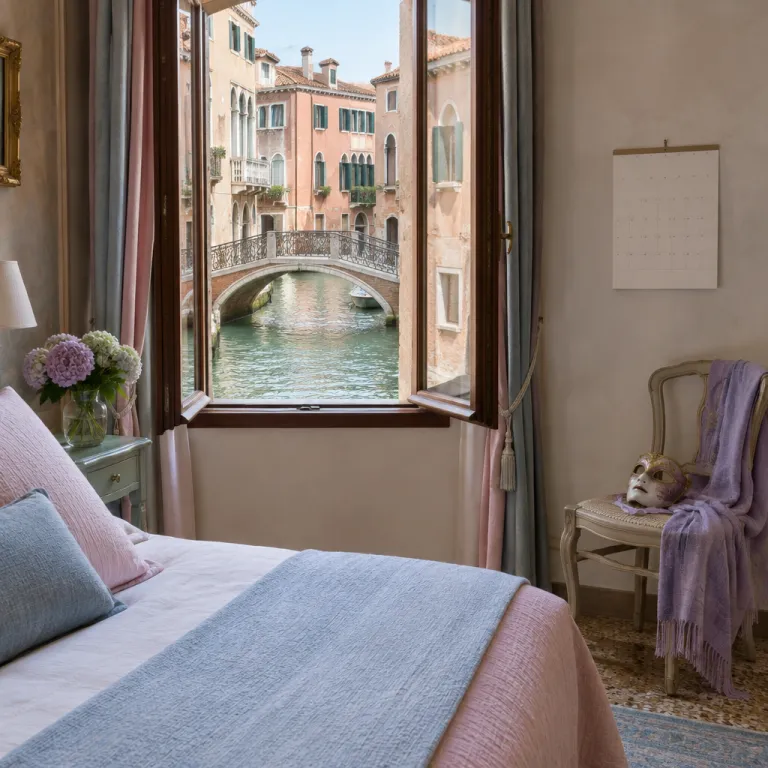
Why the carnival in Venice transforms your hotel choice
The Carnival in Venice is not just a festival; it is a seventeen-day transformation of the city that reshapes every hotel decision you make. When close to one million visitors arrive for the official Carnevale di Venezia period before Lent (a figure regularly cited by the City of Venice in its tourism reports), room categories, views and even breakfast times suddenly matter in ways they never will in quieter months. When you plan carefully, your stay becomes a front-row seat on centuries of Venetian carnival history rather than a stressful race through crowded alleys.
The event began as a pre-Lenten celebration in the era of the Serenissima Republic, and a decree of the Venetian Senate in 1296 formally recognised the carnival as a public holiday (the date appears in municipal archives and standard histories of Venice). That long tradition still shapes where people want to sleep, because the historic heart around San Marco, St Mark’s Basilica and Piazza San Marco fills first with guests chasing views of the costume parade and the grand opening shows. After a long pause in the nineteenth and twentieth centuries, the City of Venice revived the festival in the late 1970s to preserve mask-making arts and support local artisans, so staying in restored palazzi now directly supports that cultural mission.
Expect the official programme to stretch across about seventeen days between late January and Shrove Tuesday in February, with highlights such as the Festa delle Marie and the final Mardi Gras–style celebrations. Those dates mean that even a simple Venice dress or a full carnival costume will need warm layers underneath, especially if you plan to watch late-night concerts or water parades on the Grand Canal. Hotels that understand the rhythm of Carnevale di Venezia will adjust breakfast hours, arrange luggage boats or porters from the nearest pier and even coordinate costume fittings, which can turn a good stay into a beautiful and seamless experience.
Choosing the right district for the venetian carnival atmosphere
Location during the Carnival in Venice is your most strategic decision, because each district offers a different balance between spectacle and sleep. Around San Marco and St Mark’s Basilica, hotels place you steps from the main stage in Piazza San Marco, where the official costume parade, concerts and many mask contests unfold. This area is ideal if you want to step out in full carnival costumes and reach the action in minutes, but it will be noisy and crowded from early morning until late at night.
Staying near the Grand Canal in San Polo or Santa Croce gives you quick access to water parades and easier arrivals from the airport, while still keeping you within a ten- to fifteen-minute walk of the central Venice Carnival events. From Piazzale Roma or the railway station, vaporetto lines 1 and 2 run along the Grand Canal, so hotels close to those stops simplify both check-in and late-night returns. These neighbourhoods work well if you plan to attend evening balls or a formal carnival dinner, then retreat to quieter streets with fewer day-trippers. You will still see plenty of masks, hear live music from small squares and find artisan workshops selling every type of carnival mask and hand-painted Venetian mask souvenir.
Dorsoduro, close to the Accademia Bridge, suits travellers who want a more local feel and perhaps a cultural mix with the Biennale or gallery visits; it is also a smart base if you are interested in a refined concert of Vivaldi music in a historic church. For a deeper cultural stay that blends art exhibitions with the festive mood, many travellers time their visit using specialised guides to late-season events, such as this analysis of the Biennale in its final weeks on seeing Venice in minor keys before exhibitions close. Wherever you stay, check walking distances to San Marco, vaporetto stops on the Grand Canal and the nearest square free of heavy crowds, so that you always have a calm route back to your room.
How early to book and what to expect from pricing
For the Carnival in Venice, booking your hotel early is not a suggestion; it is a necessity if you care about location and value. Many properties around San Marco, the Grand Canal and Piazza San Marco sell out several months in advance, especially for weekends and for the final Shrove Tuesday celebrations. As a planning rule of thumb, reserve central hotels nine to twelve months ahead for top suites, six to nine months for standard rooms in San Marco or San Polo, and at least four months for quieter districts. Prices rise steadily as the programme approaches, so flexible travellers who reserve well in advance usually secure more beautiful rooms and better cancellation terms.
The official programme typically runs for about seventeen days, and the busiest nights cluster around the opening weekend, the Festa delle Marie and the final Mardi Gras–style events of Carnevale di Venezia. During those peak dates, mid-range double rooms in central areas can cost several hundred euros per night, while the same category in the first week of the festival or midweek often drops noticeably. If you are willing to arrive midweek or stay in the first half of the festival, you will often find lower rates and more choice, while still enjoying costume parades, concerts and smaller grand ball–style evenings. Families or groups planning a formal carnival dinner or tickets to a grand ball should coordinate hotel and event reservations together, because the most atmospheric palazzi venues partner with nearby properties and sometimes offer combined packages.
To align your stay with specific experiences such as a costume parade, a themed carnival pub evening or a classical Vivaldi concert, use specialist planning resources that focus on festival timing. A practical starting point is this guide on how to time a Venice festival stay for unforgettable hotel experiences, which explains how different dates shape both prices and atmosphere. Remember that the City of Venice reports around one million visitors for the Venetian Carnival period in recent years, so last-minute bookings near San Marco usually mean compromises on view, room size or even bed type.
Rooms, views and services that elevate a carnival stay
Once you have chosen your district for the Carnival in Venice, focus on room types and services that genuinely enhance the experience. A view of the Grand Canal or a side glimpse of Piazza San Marco can turn a simple stay into a private theatre, especially when costume parades and masks fill the streets below. If your budget allows, consider rooms with small balconies where you can photograph the flow of carnival costumes without fighting the crowds.
Ask hotels how they handle arrivals and departures during Carnevale di Venezia, because luggage boats, private water taxis and porter services become crucial when streets are packed with visitors in elaborate costumes. Typical procedures include meeting guests at the nearest vaporetto stop or private pier, then transferring bags by handcart or small boat to avoid bottlenecks on bridges. Properties that coordinate with local artisans can arrange fittings for a full carnival costume or a more understated Venice dress, and some even provide in-room hairstyling before a grand ball or carnival dinner. When you plan to attend late-night balls or a Vivaldi concert, check whether the front desk operates twenty-four hours and whether room service remains available for a light dinner after midnight.
Soundproofing matters more than many guests expect, especially near San Marco and St Mark’s Basilica where concerts, fireworks and street music continue late. If you are sensitive to noise, request higher floors, interior courtyards or rooms facing a smaller square free of stages and loudspeakers. For families, interconnecting rooms and flexible breakfast times help when children stay up late to watch the costume parade or a fireworks display over the lagoon.
Immersive experiences: balls, concerts and nightlife near your hotel
The Carnival in Venice is famous for its elegant balls and grand ball evenings, which range from historically themed dances to more relaxed masked parties. Traditional events often include a multi-course carnival dinner, live music and a strict dress code that requires period costumes or at least a refined Venice dress with a high-quality carnival mask. When choosing a hotel, consider walking distance to your chosen venue, because water taxis can be scarce and expensive after midnight.
Many visitors pair a formal grand ball with a classical concert of Vivaldi music in a church or historic theatre, creating a full evening that moves from sacred to secular spaces. Hotels near San Marco and St Mark’s Basilica are well placed for both, as several renowned ensembles perform close to Piazza San Marco and along the Grand Canal. Ask the concierge whether they can secure tickets for a concert, a themed carnival pub evening or even a guided costume parade, because reputable properties often work with trusted organisers and can suggest long-established ball hosts.
For a more informal night, some travellers join a guided pub crawl that explores bacari and wine bars away from the busiest streets. A well-run pub crawl during Carnival in Venice will balance atmospheric taverns with quieter stops, so you can actually talk while still enjoying live music and the sight of masks and costumes. When you return, a hotel with a late-night bar or lounge lets you end the evening with a final drink in comfort rather than in an overcrowded pub.
Masks, costumes and practical tips for a comfortable stay
Choosing the right mask and costume for the Carnival in Venice is as much about comfort as aesthetics, especially when you are staying several nights. Traditional Venetian masks come in many forms, from the long-nosed medico della peste to delicate lace designs, and you will see both simple carnival masks and elaborate hand-painted Venetian creations in shop windows. High-quality masks feel lighter on the face, so they are worth the investment if you plan to wear them for hours during a costume parade or a grand ball.
Layering is essential, because January and early February evenings can be cold, particularly near the water and along the Grand Canal. Many experienced visitors wear thermal layers under their carnival costumes or a warm Venice dress, then add a cloak or cape that still looks elegant in photographs. Comfortable shoes are non-negotiable, since you will walk across bridges, cobblestones and crowded squares from San Marco to quieter neighbourhoods, often while carrying a mask or adjusting costumes.
To manage costs, remember that many events in Piazza San Marco and around St Mark’s Basilica are free to attend, including open-air concerts, street performances and some costume parades. The City of Venice and official organisers emphasise that “Book hotels early”, “Wear warm layers”, “Choose non-ball events for free entry”, “Visit early morning for fewer crowds”. If you plan carefully, you will balance paid experiences such as a formal carnival dinner or a ticketed grand ball with square-free performances and spontaneous music in side streets, creating a rich programme without overspending.
Key figures and planning statistics for the carnival in Venice
- The City of Venice and official organisers report around 1,000,000 visitors per year for the Venetian Carnival period in recent editions, which means hotel occupancy in central districts often approaches full capacity during peak weekends; you can verify updated figures on the municipality’s tourism statistics pages.
- The official programme usually spans about 17 days before Lent, so guests who stay at least three or four nights can experience multiple highlights such as the Festa delle Marie, a costume parade and a major concert without rushing between events.
- Events are concentrated around San Marco and Piazza San Marco, but performances now extend across several squares and along the Grand Canal, increasing the value of hotels in San Polo, Santa Croce and Dorsoduro for guests who prefer to walk rather than rely on late-night water taxis.
- Since its revival by the City of Venice in the late twentieth century, the festival has adopted an annual official theme, which helps hotels and event organisers design coherent decorations, balls and carnival dinner menus that match the year’s concept.
- Mask and costume sales represent a significant share of seasonal revenue for local artisans, so guests who purchase a handmade carnival costume or Venetian mask souvenir directly support the preservation of traditional crafts and the workshops that keep them alive.
FAQ about hotels and the carnival in Venice
When did the carnival of Venice begin and who created it ?
When did Carnival of Venice begin? First documented in 1094; officially recognised from 1296. The Venetian Senate issued an edict that turned the pre-Lenten celebration into a public holiday, and the City of Venice later revived the festival in the late twentieth century to protect local traditions and crafts. Today, that legacy shapes everything from hotel themes to the design of modern balls and costume parades, and you can confirm the key dates in standard reference works on Venetian history or on official municipal culture pages.
How far in advance should I book my hotel for the venetian carnival ?
For central areas near San Marco, Piazza San Marco and the Grand Canal, you should book at least six months in advance, and earlier if you want specific views or suites. Properties in outer districts sometimes have availability closer to the dates, but prices usually rise as Shrove Tuesday approaches. Early reservations also give you more time to coordinate tickets for a grand ball, a carnival dinner or a Vivaldi concert and to plan vaporetto routes from the airport or station.
Which area is best for first time visitors during carnival venice ?
First-time visitors who want to be in the heart of the action usually choose San Marco or nearby Castello, because they are steps from Piazza San Marco, St Mark’s Basilica and many official events. Travellers who prefer a balance between atmosphere and calm often stay in Dorsoduro or San Polo, with easy access to the Grand Canal and shorter walks to major stages. Your choice will depend on whether you prioritise nightlife, early morning photography or quieter evenings.
Can I enjoy the carnival in Venice on a limited budget ?
Yes, you can experience much of the festival without spending heavily, especially if you focus on free events in Piazza San Marco and other public spaces. Street performances, open-air concerts and costume parades do not require tickets, so you can reserve your budget for one special experience such as a carnival dinner or a guided pub crawl. Choosing a hotel slightly away from San Marco and travelling midweek will also help control costs.
How should I dress for a grand ball or formal carnival dinner ?
Formal events during Carnevale di Venezia usually require elegant costumes or at least black-tie attire with a refined carnival mask. Many guests rent full period costumes, while others opt for a tailored Venice dress or suit paired with a high-quality Venetian mask design. Always check the dress code when booking, because some grand ball evenings will refuse entry to guests who do not meet the stated standard.