Acqua alta in Venice: when high water shapes the season
Ask “acqua alta Venice when” and locals will answer with a shrug. They know that in Venezia the lagoon breathes twice a day, and that a high tide is usually a brief event, not an apocalypse. The city has always lived with rising water, adjusting its rhythm to the tide level rather than fighting every wave.
Acqua alta simply means “high water” and describes those moments when the tide in the Venetian lagoon climbs above the standard sea level. Most visitors only see the famous flooding of Piazza San Marco, yet many parts of the city stay dry while water quietly fills the lowest calli. What looks like chaos from abroad is, on the ground, a well rehearsed system of forecasts, sirens and raised walkways.
The crucial question is not only when the tide peaks but how high the water levels will rise. In practice, the city watches the gauge at Punta della Salute, where technicians track every centimetre of the Venice tide. Historical data from the Centro Previsioni e Segnalazioni Maree show that water above 110 centimetres used to occur dozens of times per year, while truly exceptional levels above 140 centimetres have been recorded only a handful of times in recent decades. When high tides are forecast to reach certain levels, the authorities decide whether to raise the MOSE barriers and how to warn residents and guests.
For travellers choosing a hotel, the seasonal pattern matters more than a single dramatic image of flooding. Statistically, the highest risk of exceptional high water comes in November and the early weeks of December, when the Adriatic Sea is still warm and low pressure systems roll in. Outside that window, acqua alta in Venice is usually milder, shorter and often barely noticeable in many parts of the city.
From lagoon science to MOSE: how Venice manages high tides
To understand acqua alta you need to picture the Venetian lagoon as a shallow bowl connected to the Adriatic Sea by three inlets. When a strong scirocco wind pushes sea water north and a low pressure system deepens, the tide level can rise quickly and send high tide surges into the city. The result is the familiar image of water shimmering across San Marco, even while other parts of the city remain passable.
The modern response is MOSE, a vast system of 78 mobile gates at the Lido, Malamocco and Chioggia inlets that can isolate the lagoon from the Adriatic Sea during exceptional high events. When forecasts from the Centro Previsioni e Segnalazioni Maree show that water levels will exceed around 110 centimetres at Punta della Salute, engineers begin the procedure to raise the barriers. This operation does not eliminate every puddle in St Mark’s Square or the lowest campi, but it dramatically reduces the scale of flooding across Venezia.
For you, the traveller, the key is to plug into the same information network that residents use. The Comune di Venezia runs the Segnalazioni Maree alert service, which sends tones and messages when Venice high tide levels are expected to cross specific thresholds. Sirens sound across the historic centre with a stepped melody that indicates how high the water will rise and when the peak will arrive.
Before you book, check how your chosen stay sits in relation to sea level and the nearest canal. A ground floor room near the lowest parts of San Marco or the eastern edge of Castello may face temporary access issues during very high tides, while an upper floor in Cannaregio or Dorsoduro will usually see acqua alta as a visual spectacle rather than a practical problem. If you are planning how many days to spend in Venice, a detailed guide to trip length can help you balance slow exploration with the occasional high tide pause.
Where to stay during acqua alta: neighbourhoods, floors and flood lines
Choosing the right sestiere during high water season is less about fear and more about comfort. The historic centre is not flat; it rises and falls subtly, which means some parts of the city flood quickly while others stay dry even during high tides. Understanding these micro levels helps you decide whether you want to be near the drama of San Marco or slightly removed from it.
San Marco, especially around the Basilica and St Mark’s Square, sits among the lowest points in the Venetian lagoon, so even a moderate high tide can send water across the stones. If your heart is set on waking up near the campanile, book an upper floor and ask clearly about the building’s flood protections and internal drainage system. In contrast, much of Dorsoduro, especially around Campo Santa Margherita and the Zattere, stands higher above sea level and usually experiences only shallow pooling during the same events.
Cannaregio offers a good balance for first timers who want atmosphere without constant flooding. Streets around Fondamenta della Misericordia and the Ghetto tend to stay accessible, even when the Segnalazioni Maree alerts predict challenging water levels for the lowest parts of the city. Santa Croce and parts of San Polo, especially near the Frari, also sit on relatively high ground, though some quays along the Grand Canal can see temporary water on the paving stones during an exceptional high tide.
Castello is more complex, with higher areas near Via Garibaldi and lower stretches closer to the basin of San Marco where acqua alta can arrive quickly. As a rough guide, many streets in Dorsoduro, Cannaregio, Santa Croce and San Polo stay walkable until around 110 centimetres at Punta della Salute, while the lowest parts of San Marco and eastern Castello can see water already from 80–90 centimetres. Wherever you stay, ask the reception when high tide usually affects their entrance and whether they provide boots or raised access. If you are still weighing the best time to visit Venice for a hotel stay, a seasonal overview of crowds and prices will help you see how November and early December compare with spring and summer.
Living with acqua alta: daily rhythms, packing lists and slow-season rewards
Once you accept that acqua alta is a rhythm rather than a catastrophe, the city opens up in a different way. Mornings may start with a glance at the Centro Previsioni tide app, a quick check of the latest Segnalazioni Maree, and a decision to linger over coffee in Cannaregio until the high water recedes. By late morning, passerelle walkways appear where needed, the Venice tide begins to fall and residents resume their usual routes across bridges and campi.
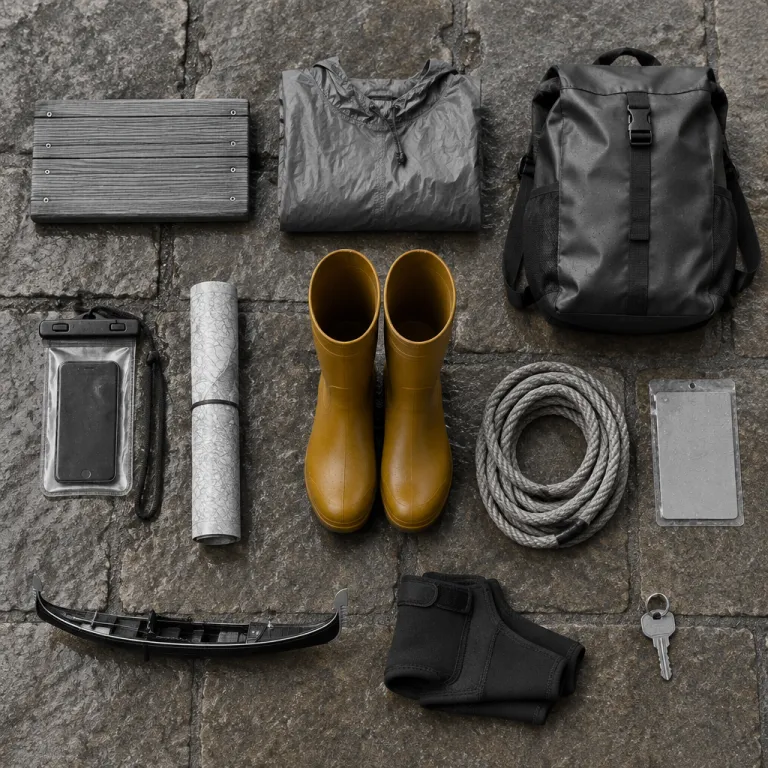
Packing for high water season is straightforward if you think like a local. Bring knee high rubber boots or plan to buy the simple plastic versions sold in many parts of the city when acqua alta is forecast, and pair them with a compact umbrella and a light waterproof. Many hotels keep spare boots behind the desk, especially in San Marco and the lowest corners of the centre, but relying on your own kit gives you more freedom to wander when high tide coincides with your plans.
The reward for this small adaptation is a Venice that feels almost private. In November the light over the Adriatic Sea turns silvery, and reflections in the lagoon stretch across empty fondamenta where summer crowds once stood shoulder to shoulder. During late autumn and early winter, room rates often soften, restaurant tables are easier to secure and even major events feel more local, framed by mist, church bells and the quiet slap of water against stone.
For families and couples, this season can be the most intimate way to meet the city. You learn which parts of the city drain fastest, how the warning tones of the Segnalazioni Maree sound from your window, and when high tide peaks usually align with your preferred walking hours. It is not the view from the vaporetto, but the light at 7 am in Cannaregio.
FAQ
When does acqua alta usually happen in Venice?
Acqua alta can occur at any time from autumn to early spring, but the highest risk of exceptional high water is concentrated in November and the early part of December. These months combine warmer Adriatic Sea temperatures with frequent low pressure systems that raise the tide level in the Venetian lagoon. Outside this window, high tides still happen, yet they are typically lower and shorter, affecting mainly the very lowest areas such as San Marco.
How long does high water last during a typical event?
Most acqua alta events follow the natural tide cycle and last only a few hours around the peak. Water levels rise, reach a maximum for a short period, then recede as the Venice tide turns, allowing streets and squares to drain quickly. Only during rare exceptional high events, often mitigated now by the MOSE barriers, does flooding persist longer in the lowest parts of the city.
Is it safe to visit Venice during acqua alta season?
For prepared travellers, visiting during high water season is generally safe and often rewarding. The city operates a detailed warning and protection system, including Centro Previsioni forecasts, Segnalazioni Maree alerts, raised walkways and, when necessary, the MOSE barriers at the lagoon inlets. With waterproof footwear, flexible timing and an upper floor room, most visitors experience acqua alta as an atmospheric backdrop rather than a serious disruption.
Which areas of Venice are least affected by flooding?
Higher lying neighbourhoods such as much of Dorsoduro, parts of Cannaregio and sections of Santa Croce and San Polo tend to see less flooding during high tides. Even when San Marco and St Mark’s Square are under water, many streets in these sestieri remain walkable, with only occasional puddles near canals. When booking, ask your hotel about their exact location and typical water levels at the entrance during strong tides.
What should I pack if I am coming in November or December?
For a November or December stay, bring knee high waterproof boots or plan to buy simple over boots in the city when acqua alta is forecast. Add a compact umbrella, a light waterproof jacket and quick drying trousers to handle brief periods of high water and rain. With this minimal kit, you can move comfortably through the historic centre even when high tide peaks coincide with your sightseeing plans.