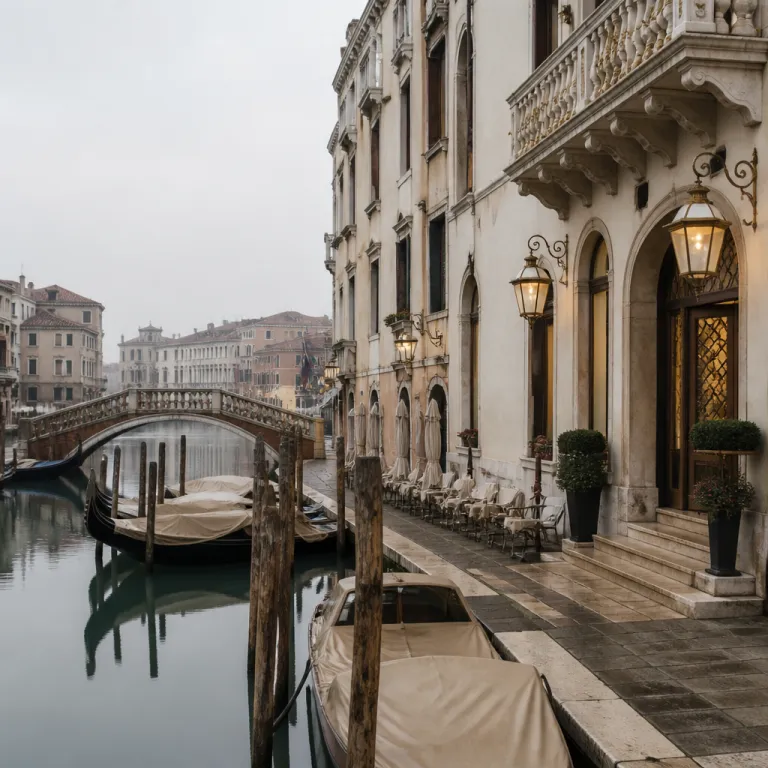
Why Venice Italy in winter travel is ideal for hotel seekers
Venice in winter feels like a private stage set, especially once the day visitors leave. During this quieter season, the city’s hotels often offer better availability and more attentive service, which makes choosing the right place to stay far easier. Many travellers planning a trip to Venice during the colder months quickly realise that the calm canals and misty mornings are worth visiting for the atmosphere alone.
Venetian locals confirm that Venice is less crowded during winter months, so you can walk into a lobby without queuing and reach your room without weaving through tour groups. This reduced pressure on the city means front desks have more time to explain the best things to do on a short trip, from a gondola ride at dusk to a late visit to the Doge Palace without the usual crush. When you are visiting Venice in this season, that extra time from staff translates into tailored restaurant reservations, smarter transport tips, and help with tickets for events such as Carnival or a guided tour of San Marco.
For many guests, the main question is whether Venice winter conditions are comfortable enough for sightseeing. Yes, temperatures average around 4–5 °C according to long-term records from the Veneto regional weather service (multi‑year averages published 2010–2020), so pack warm layers and waterproof footwear, then choose a hotel that offers efficient heating and perhaps a cosy lounge for a quiet Christmas drink. Once you accept that this is a cool season rather than a beach holiday, a winter city break in Venice becomes a great opportunity to experience the lagoon as Venetians do on an ordinary day.
Choosing the right area of the city for a winter stay
Location shapes every winter trip, so start by deciding which Venetian district suits your style. Around San Marco you stay close to the Doge Palace, the basilica, and the main Christmas markets, which is perfect if you want to walk only a few minutes between your hotel and the city’s headline sights. However, if you prefer quieter evenings during your Venice winter stay, consider San Polo or the Dorsoduro district, where the streets feel more residential and the pace slows after day visitors leave.
San Polo is particularly appealing in December, because you can step out to Campo San Polo where an ice skating rink sometimes appears, surrounded by stalls that feel like a small Christmas market in the heart of Venice. Staying near this campo keeps you close to Rialto, yet far enough from the busiest alleys around San Marco, so you can enjoy both lively things Venice offers and peaceful nights. When visiting Venice for Carnival, San Polo also works well, as you can walk to the main events while still retreating to a calmer island of quiet streets once the masks and music fade.
Travellers who plan a longer trip often combine the city with a day excursion to Verona, so proximity to the railway station at Santa Lucia can matter. In that case, Cannaregio offers a great balance, with canalside hotels that feel local yet still allow an easy gondola ride or a short tour of the Ghetto and nearby churches. A typical regional train from Venezia Santa Lucia to Verona Porta Nuova takes about 1 hour 10 minutes according to Trenitalia regional timetables for 2023, so staying near the station can save time on cold mornings. Wherever you stay, ask the concierge about any extra cost for private water taxis in winter, because fog or high water can change routes and affect the time it takes to reach or leave your hotel.
Seasonal experiences that shape Venice Italy in winter travel
Planning where to sleep is easier when you understand the rhythm of the winter season in Venice. December brings Venice Christmas lights, nativity scenes in church courtyards, and Christmas markets that cluster around San Marco and smaller squares, while January often feels like a pause before Carnival. By February, the city shifts again as Carnival fills the streets with costumes, and hotels near the main routes book out quickly, so early reservations become one of the best things you can do.
During Venice Christmas weeks, many hotels decorate lobbies with trees and candles, and some arrange small Christmas market style corners with local sweets, which adds charm without any commission extra on your room rate. Ask your front desk which Christmas markets are worth visiting on a short day, because some focus on crafts while others lean towards food and mulled wine. If you are travelling with children, a hotel near Campo San Polo can be ideal, since the ice skating rink and surrounding stalls turn the square into a festive playground that feels safe and contained.
Outside the peak days of Carnival and Christmas, Venice winter days are quieter, so you can enjoy a gondola ride without waiting and visit the Doge Palace or San Marco with shorter lines. Many travellers compare this to spring summer visits and find that, while the weather is cooler, the lack of crowds and the soft light make winter a great time for photography and slow walks. When you plan your trip around these seasonal shifts, you can choose a hotel that either places you in the heart of the action or shelters you from it, depending on how you like to spend your evenings.
Practical hotel considerations for cold, misty days
Comfort matters more when the temperature hovers around 4–5 °C and the lagoon air feels damp. When comparing hotels for Venice Italy in winter travel, look carefully at heating, insulation, and whether rooms have space to dry coats and waterproof footwear after a rainy day. It is also worth visiting the hotel’s photo gallery or asking directly about common areas, because a welcoming lounge or bar can transform a grey winter evening into a relaxing part of your trip.
Many properties in the historic city occupy centuries old buildings, so room sizes and layouts vary, and some stairs can be steep. If you expect to return from a gondola ride or a walking tour feeling chilled, consider paying a small extra cost for a slightly larger room where you can stretch out and unpack layers comfortably. Guests sometimes worry about whether there will be a commission extra for amenities such as kettles or extra blankets, so clarify these details in advance and choose hotels that include such things Venice travellers genuinely need in winter without hidden charges.
Another practical point is access during acqua alta, the high water that occasionally affects low lying parts of Venice in winter. Hotels around San Marco may experience more frequent raised walkways, while those in slightly higher districts like parts of San Polo or Dorsoduro can be easier to reach on a wet day. The Comune di Venezia publishes daily acqua alta forecasts and tide levels, and historical data show that the highest tides usually occur between November and January, often peaking around 110–120 cm above the local zero tide mark, so ask your hotel to recommend the best routes from the vaporetto stop and whether they can arrange a tour or transfer that avoids flooded alleys, especially if you are arriving late in December or during stormy parts of the season.
Balancing value, location, and seasonal offers
One advantage of visiting Venice in winter is that room rates often soften compared with peak spring summer periods. This does not mean every hotel becomes cheap, but it does mean you can often secure a better room category or a canal view for a similar budget, which makes a winter trip particularly appealing for special occasions. As a rough guide, mid-range double rooms that might reach €220–€260 per night in May can drop closer to €140–€180 in January, based on averages from regional tourism statistics for 2019–2023, depending on events and exact location. When comparing offers, focus on total value rather than headline price, because extras such as breakfast, late checkout, or vaporetto passes can change the real cost of your stay.
Some hotels promote packages that resemble affiliate links on booking platforms, where they receive a small commission from partners for tours or restaurant reservations. As a guest, this should not add any commission extra to your bill, but it is wise to ask whether there is any extra cost for services such as private guided tours of the Doge Palace or reserved seating at Carnival events. Transparent properties will explain clearly how they work with local guides and whether they recommend specific experiences because they are genuinely worth visiting or because of commercial arrangements.
For many travellers, the best things to pay for in Venice winter are time saving experiences rather than luxury add ons. A pre booked gondola ride at sunset, a timed entry ticket for San Marco, or a curated tour that covers several churches in one day can all justify their price by reducing waiting and confusion. When you weigh these options against your hotel budget, remember that a well located property in the historic city can save you both time and transport costs, especially if you plan to visit Verona on a day trip or explore more distant island districts.
Day trips, nearby islands, and how your hotel can help
Venice Italy in winter travel does not need to be limited to the central sestieri, because the lagoon and nearby cities remain accessible even in the cold season. Many visitors combine a stay in Venice with a day trip to Verona, which offers Roman ruins, elegant squares, and a different style of Christmas market that contrasts with those around San Marco. Your hotel concierge can recommend the best trains and help you time your departure so you return to Venice in time for an evening stroll or a late gondola ride under quiet bridges.
The lagoon itself offers several island excursions that feel atmospheric in winter, from Murano’s glass furnaces to Burano’s colourful houses that stand out even on a grey day. When visiting these islands in the colder season, it is wise to dress in layers and carry an umbrella, then ask your hotel to suggest a tour that groups several stops without too much waiting on windy piers. Some properties work with local tour operators and may receive a small commission, but this should not create any extra cost for you, and the convenience can be worth visiting if your time in the city is short.
Back in Venice, use your hotel as a base for exploring different neighbourhoods on foot, from the artisan workshops of San Polo to the quieter corners around Campo San Giacomo dell’Orio. Staff who live in the city all year understand how winter changes opening hours and can point you towards things Venice residents actually enjoy, such as a warm café near a Christmas market or a lesser known church with beautiful art. By relying on this local knowledge, you turn your accommodation into more than a place to sleep, making it the main anchor of a thoughtful, well paced winter trip.
Key figures for Venice Italy in winter travel
- Average daytime temperatures in Venice winter months hover around 4–5 °C, which is cool but manageable with layered clothing and waterproof footwear (historical weather data from Veneto regional climate records, 2010–2020).
- The period from December to February includes Christmas markets, quieter January streets, and Carnival celebrations, so hotel demand fluctuates significantly across the season (local tourism board data and official Carnival calendars for recent years).
- Walking, gondola rides, and museum visits remain the main activities in winter, which means centrally located hotels can reduce daily travel time and transport spending (city mobility studies and visitor surveys conducted between 2015 and 2022).
- Off season interest in cultural tourism and winter festivals has risen steadily over the past decade, encouraging more hotels to create seasonal offers for Venice Italy in winter travel (European tourism reports and regional statistics from 2012–2022).
FAQ: planning your Venice winter hotel stay
Is Venice crowded in winter for hotel guests ?
No, Venice is less crowded during winter months, which means hotels often have more availability and can offer better value than in peak spring summer periods. You will still find busy days around Venice Christmas and Carnival, but overall the city feels calmer. Booking early for December and Carnival remains wise, especially near San Marco and San Polo.
What events should I plan my hotel booking around ?
The main winter events are Christmas markets in December and Carnival in February, both of which affect room demand and prices. If you want Venice Christmas lights and markets without the highest rates, consider early December or the days just after Christmas. For Carnival, reserve your hotel several months ahead, especially if you want to stay close to the Doge Palace or the main parade routes published by the Comune di Venezia.
Is it too cold to enjoy a gondola ride in winter ?
It is cold, but a gondola ride in Venice winter can be magical if you dress warmly and choose a calm day. Many gondoliers provide blankets, and the quieter canals make the experience more intimate than in high season. Ask your hotel to recommend reliable gondoliers and the best time of day for softer light and fewer boats.
Which areas are best for a first winter visit ?
For a first trip Venice in winter, staying near San Marco places you close to the Doge Palace, the basilica, and several Christmas markets. Travellers who prefer a more local feel often choose San Polo or Dorsoduro, which remain walkable yet quieter at night. Cannaregio suits those arriving by train or planning a day trip to Verona, thanks to its proximity to the station.
What should I pack for Venice Italy in winter travel ?
Pack warm layers, a waterproof coat, and comfortable shoes that can handle wet pavements and occasional puddles from high water. Gloves, a hat, and a scarf make evening walks and outdoor Christmas market visits far more pleasant. Many hotels are well heated, so focus on flexible clothing you can adjust as you move between chilly streets and cosy interiors.
Sources
Italian National Tourist Board ; Comune di Venezia tourism department and tide forecasts ; Veneto regional tourism statistics office ; regional climate records and European tourism reports.