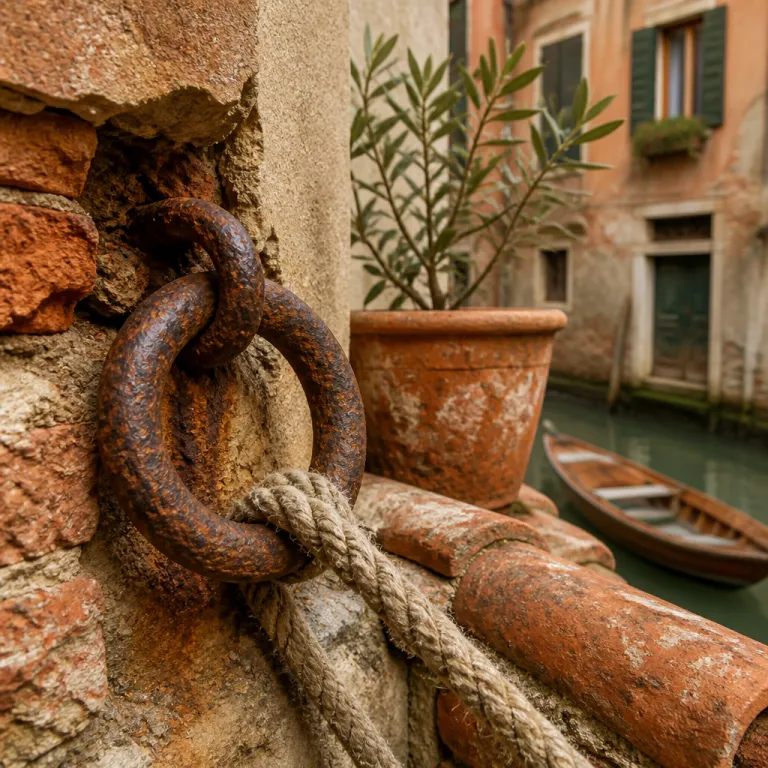
Choosing a hotel in Venice off the beaten path
Venice off the beaten path begins with where you sleep. When you choose a hotel in a quieter area of the city, you shape every visit and every day in a more authentic way. This single decision will influence how much time you spend in crowds near San Marco and how often you instead wander a peaceful canal at dawn, hearing only church bells and the soft hum of a passing vaporetto.
Many travellers arrive at Venezia Santa Lucia train station and instinctively follow the flow toward the Grand Canal and the Rialto Bridge. That route is understandable, yet it pulls you away from the subtle things Venice offers in its smaller campo squares and along its hidden path of residential calli. To experience Venice Italy with more calm, look for a place to stay in districts such as Cannaregio, San Polo, or on a lesser known island rather than directly beside Piazza San Marco.
Hotels in these neighbourhoods still give easy access to the Grand Canal and to landmarks like Saint Mark Basilica and the bell tower, but they sit on streets where Venetian families actually live. You will find local cafés, a family run shop or two, and perhaps a small museum that rarely sees tour groups. Boutique properties such as Hotel Ca’ Dogaressa in Cannaregio or Pensione Accademia in Dorsoduro show how this balance between access and retreat defines the most rewarding Venice beaten paths for overnight guests and keeps your evenings pleasantly quiet.
Understanding Venice neighbourhoods beyond San Marco
The San Marco district concentrates many icons, from the basilica to the campanile bell tower. Staying here places you close to the Grand Canal and the Fondaco dei Tedeschi, yet it also means dense crowds at almost every time of day. For a more tranquil Venice off the beaten path, consider sleeping in San Polo, Cannaregio, or on an island such as Giudecca instead.
San Polo lies just across the Rialto Bridge and feels more residential once you step away from the market area. In this part of the city you will find artisan workshops, a quieter canal or two, and easy routes on foot toward Santa Maria della Salute or the Gallerie dell’Accademia. The path from San Polo to San Giorgio Maggiore by vaporetto on Line 1 or Line 2 from stops such as San Tomà or San Silvestro lets you enjoy things Venice offers on the water without always crossing the busiest quays near San Marco.
Cannaregio stretches from the train station toward the historic Jewish ghetto, which remains one of the most atmospheric places in Venice Italy. Here the Ghetto Nuovo and Ghetto Vecchio squares show a different side of Venetian life, with synagogues, small museum spaces, and simple bàcari serving cicchetti. Choosing a hotel in this area keeps you close to the station while placing you on a softer beaten path each evening, especially around Fondamenta della Misericordia and the Ormesini canal, and you remain within walking distance of vaporetto stops such as Guglie and Tre Archi.
Hidden cultural layers near major landmarks
Even around San Marco, you can experience Venice off the beaten path by shifting your focus a few streets away. Behind the grand façade of Saint Mark Basilica and the crowds queuing for the bell tower, a maze of calli leads toward Scala Contarini del Bovolo. This small palace, also known as Contarini del Bovolo, offers a spiral staircase with views over the city that feel far calmer than the panorama from the main campanile.
Walking from the Grand Canal near the Rialto Bridge toward Scala Contarini, you pass workshops where Venetian artisans still restore frames, paper, and textiles. These places are not a museum in the formal sense, yet they preserve skills that define things Venice has traded for centuries. Choosing a hotel within this central yet quieter area allows you to visit such spaces early in the day, before most visitors even leave their rooms near San Marco, and to photograph façades and bridges without constant crowds.
Across the water, Santa Maria della Salute stands at the mouth of the Grand Canal, facing the city like a stone guardian. Many guests only see the church from a vaporetto, but staying nearby in Dorsoduro lets you explore its side chapels and the former Ospedale degli Incurabili area on foot. This neighbourhood offers a gentler path home after an evening concert, while still keeping you one short boat ride from San Giorgio and the island of Giudecca, with night views that feel almost private.
Islands and lagoons for a quieter Venetian stay
For some travellers, the purest form of Venice off the beaten path means sleeping on an island outside the historic core. The lagoon holds many choices, from the colourful island Burano to the serene cemetery island of San Michele and the monastery spaces of San Giorgio Maggiore. Each island offers a different rhythm of time, and your hotel choice will shape how you move between city and water every day.
Staying on the island Burano places you in a fishing community where laundry hangs above narrow streets and the evening belongs mostly to locals. From here you can visit Venice Italy by vaporetto in the morning, then return along a quieter canal network in the lagoon at night. This pattern turns the crowded city into a day trip destination while your main place of rest remains firmly on a softer beaten path, with boat journeys of around 40 to 50 minutes from central stops such as Fondamenta Nove on ACTV Line 12.
San Giorgio Maggiore, directly across from San Marco, feels almost like a private retreat once the last day visitors leave its bell tower. A hotel on this island or nearby Giudecca gives you a front row view of the Grand Canal and the della Salute skyline without the constant foot traffic. You will still find small shops and cafés, but the overall area remains calm, which is ideal if you value silence as much as scenery and prefer to watch the city lights from across the water, reached in about 5 to 10 minutes by vaporetto on lines such as 2 or 4.1.
Practical strategies for avoiding crowds and acqua alta
To experience Venice off the beaten path, timing matters as much as location. Local guides who specialise in lesser known routes often remind guests that "Explore early mornings or late evenings." Following this advice lets you enjoy San Marco, the Rialto Bridge, and even the Grand Canal with far fewer people around you and more space to pause on bridges or in small campi.
When booking a hotel, ask about typical acqua alta patterns in that specific area of the city. Some low lying parts near the canal edges, especially close to San Marco and the Fondaco dei Tedeschi, can flood more often than higher districts like San Polo or parts of Cannaregio. Choosing a place on slightly elevated ground will reduce disruption to your day and keep your path to the vaporetto or train station dry in most conditions, and staff can usually explain how they follow official acqua alta guidance from the city and the Comune di Venezia tide forecasts.
It is wise to check how long it takes on foot from your hotel to key vaporetto stops on the Grand Canal. A ten minute walk through quiet Venetian streets can be more pleasant than a three minute route that passes through the most crowded ghetto alleys. You will also find that staying near a small local shop or market makes it easier to adapt your plans if high water or weather changes affect your original itinerary, since you can pick up supplies without crossing the busiest bridges.
How guided experiences complement your hotel choice
Once you have chosen a hotel in Venice off the beaten path, consider pairing your stay with a guided walk or boat tour. Local guides and travel bloggers who focus on lesser known areas of Venice Italy often collaborate with artisans and cultural organisations. Their aim is to reveal things Venice keeps slightly hidden, from quiet cloisters near Santa Maria della Salute to workshops behind the Fondaco dei Tedeschi.
Some guided itineraries start near the train station and lead through Cannaregio toward the historic ghetto, then continue by boat along a secondary canal instead of the Grand Canal. Others begin in San Polo and wind past Scala Contarini del Bovolo before crossing toward San Giorgio or the island Burano. These routes help you find a more meaningful path between famous sites like Saint Mark Basilica and lesser known churches or museum spaces, while also teaching you how to navigate calmly without rushing.
Guides usually recommend simple habits that align with a thoughtful hotel stay, such as wearing comfortable shoes, carrying a map, and staying hydrated during long days. When your base is in a calm area, you will return from these experiences with energy rather than exhaustion. Over several days, this balance turns Venice beaten tourist routes into just one small part of a richer, more local relationship with the city and its lagoon.
Key figures for planning a stay in quieter Venice
- Venice welcomes around 25 million visitors each year according to estimates from the Venice Tourism Board and municipal data, which makes choosing a hotel in a less central area such as Cannaregio or San Polo crucial for anyone seeking Venice off the beaten path.
- Morning, afternoon, and evening guided tours operate year round, so guests can schedule visits to San Marco, the Grand Canal, or the ghetto at off peak times and keep the rest of the day for slower neighbourhood walks.
- Walking remains the primary mode of movement in the historic city, and selecting a hotel within 10 to 15 minutes on foot of a vaporetto stop on the Grand Canal usually offers the best balance between access and tranquillity.
- Islands such as Burano and San Giorgio Maggiore can be reached in under one hour by public boat from central Venice, which makes them realistic bases for travellers who want an island retreat while still visiting major museums and churches.
FAQ about staying in Venice off the beaten path
What are Venice's hidden gems for a quieter hotel stay ?
Cannaregio near the historic ghetto, parts of San Polo, and islands such as Giudecca or Burano offer calmer streets and a more local atmosphere than the immediate San Marco area. These neighbourhoods still connect easily to the Grand Canal and major sites while placing your hotel on a softer beaten path with everyday life continuing around you.
How can I avoid crowds when visiting major landmarks ?
Book timed entries where possible and visit Saint Mark Basilica, the bell tower, and the Rialto Bridge early in the morning or later in the evening. Spend the middle of the day exploring quieter canals, small museum spaces, and residential calli near your hotel so you enjoy both iconic and hidden sides of Venice Italy without feeling rushed from one queue to the next.
Are guided tours available in less touristy areas ?
Yes, local guides offer walking tours and boat excursions focused on lesser known districts and islands. Many itineraries start near the train station or in San Polo and lead through Cannaregio, the ghetto, or toward San Giorgio and Burano, which complements a hotel choice in Venice off the beaten path and adds context to local history.
Is it practical to stay on an island like Burano ?
Staying on the island Burano is practical if you accept longer boat rides to reach central Venice. You gain a peaceful base in a colourful fishing community and can treat the main city as a day trip destination, which suits travellers who value quiet evenings more than immediate access to San Marco and enjoy watching the lagoon change colour with the light.
What should I check before booking a hotel in Venice ?
Confirm the walking time to the nearest vaporetto stop on the Grand Canal and ask about acqua alta frequency in that specific area. Look for nearby shops, cafés, and less crowded routes toward major sites like Santa Maria della Salute or Scala Contarini del Bovolo, and consult official Comune di Venezia information so you know how comfortably you will experience Venice off the beaten path and how easily you can adapt if conditions change.
References
- Venice Tourism Board – visitor statistics and neighbourhood guidance
- Comune di Venezia – official tourism information, tide forecasts, and acqua alta updates
- UNESCO World Heritage Centre – Venice and its Lagoon