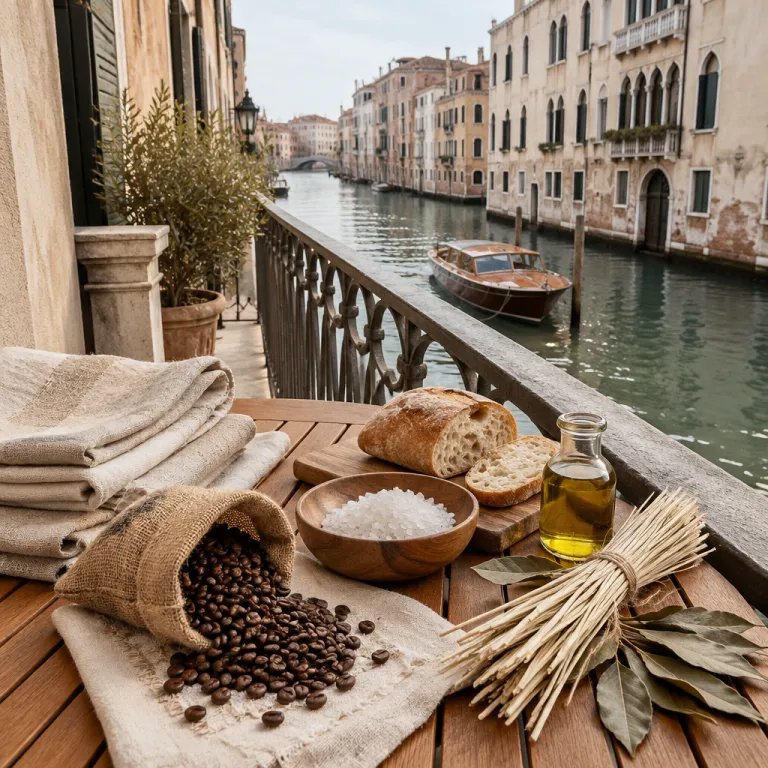
Choosing the right area when you visit Venice Italy
Where you stay in Venice shapes every moment of your visit. The historic city layout is a mosaic of districts, each sestiere wrapped around a canal and a different rhythm of daily life. When you plan your Venice travel carefully, your hotel becomes a quiet retreat rather than a stressful detour.
Travelers drawn to the grand drama of San Marco often want to step from their hotel straight into the famous square. Staying near Piazza San Marco places you close to the Grand Canal, the Doge’s Palace, and St Mark’s Basilica, but this beautiful city core can feel crowded all day. If you prefer calmer nights in Venice, consider the edges of the San Marco district or cross a canal into Dorsoduro, where the Venetian atmosphere feels more residential.
Rialto and San Marco form the most iconic axis when people visit Venice. Around the Rialto Bridge, the narrow streets are packed with shops, markets, and top things to see, which suits travelers who like energy and late evening activity. Use a detailed guide to the best areas and districts in Venice to compare the feel of each neighborhood and match it to your travel style.
Staying near Rialto Bridge and the Grand Canal
Choosing a hotel near the Rialto Bridge places you at the historic heart of Venice. This is where the Grand Canal bends in a wide S shape, lined with palaces that show the full range of Venetian architecture. Many travelers say that to experience Venice properly, you should wake at least one day to the sound of boats on this grand waterway.
Rooms facing the Grand Canal offer beautiful views, but they also bring constant vaporetto traffic and gondoliers’ songs. If you want quieter nights in this part of the city center, ask for a room on a side canal or an inner courtyard. You will still be within a few minutes’ walk of the Rialto Bridge, Piazza San Marco, and the main things Venice offers first-time visitors.
The Rialto area is also ideal if your travel plans include early departures, because vaporetto lines from the Grand Canal connect quickly to the train station and the airport boat. Around the bridge you will find a dense mix of hotel options, from historic palazzi to simple guesthouses, all surrounded by shops and restaurants. This location suits travelers who want a compact city-break experience, with most top sights reachable on foot in a single day.
San Marco hotspots: from Mark Square to the Doge Palace
Staying near Mark Square means stepping into the most photographed space in Venice. Piazza San Marco opens like a stone stage, framed by arcades, cafés, and the ornate façade of St Mark’s Basilica. When you visit Venice and choose a hotel here, you trade some peace for immediate access to the most famous sights in the city.
The Doge’s Palace stands beside the basilica, its pink stone and lace-like arches reflecting in the nearby canal. Many guided tours start in this square, so a hotel in San Marco lets you join early groups before the crowds and heat build during the day. For travelers who want a structured travel guide experience, this area makes it easy to follow themed walks that connect San Marco, the Rialto Bridge, and the Grand Canal.
Shoppers will appreciate that the streets between San Marco and Rialto form one continuous ribbon of things Venice is known for, from leather goods to Murano glass boutiques. If you plan to combine sightseeing with elegant shopping near your hotel, explore this curated guide to shopping streets around Rialto and San Marco. It helps you navigate the most beautiful lanes while avoiding the most crowded alleys in the historic city core.
Quiet corners near the center for a restful stay
Many travelers want to visit Venice Italy and stay near San Marco, yet still sleep in a calm environment. The solution is often to choose a hotel on a smaller island like Giudecca or in a backstreet of the main city, one canal removed from the busiest routes. These locations keep you close to the grand landmarks while offering a more residential Venetian atmosphere.
In San Marco itself, look for addresses tucked behind Piazza San Marco or facing minor canals rather than the Grand Canal. A short walk of five to ten minutes can transform your experience of the city, especially at night when the main piazza remains lively. You will still reach the Doge’s Palace, St Mark’s Basilica, and the Rialto Bridge quickly, but your immediate surroundings feel more like everyday Venice than a stage set.
If you are sensitive to noise, ask the hotel directly about room orientation, floor level, and nearby vaporetto stops. Some travelers prefer to stay in Castello or Dorsoduro, then walk into San Marco each day for sightseeing and a gondola ride. One couple, for example, chose a small guesthouse in Castello and found that a ten-minute stroll brought them to Piazza San Marco each morning, while their own street stayed quiet enough to hear church bells at night. For a deeper look at peaceful streets and hidden squares, consult a resource on quiet hotels and secret corners in Venice before you finalize your travel plans.
Using vaporettos and gondolas from your hotel
Water transport defines how you visit Venice and how you choose your hotel. The vaporetto is the public boat service that runs along the Grand Canal and around every major island of the Venetian lagoon. When you stay near a main stop, you will move easily between San Marco, the Rialto Bridge, Murano, and other parts of Venice without long walks.
Line 1 on the Grand Canal is ideal for slow sightseeing, because it stops at almost every pier between Piazzale Roma and San Marco. Line 2 is faster and suits travelers who treat the vaporetto as a practical part of their daily routine. When you book, check how many minutes separate your hotel from the nearest stop, especially if you plan to return late in the day after a long itinerary.
A gondola ride offers a different perspective, gliding through narrow canals that vaporettos cannot enter. While gondolas are not practical transport, many visitors feel that to truly visit Venice Italy they should experience at least one short journey. Choosing a hotel near quieter canals in San Marco or Rialto lets you board away from the most crowded points and enjoy a more intimate view of this beautiful city.
Planning day trips to Murano and the lagoon islands
Many guests who stay near San Marco or Rialto use their hotel as a base for lagoon excursions. Murano, famous for its glass workshops, lies only a short vaporetto ride from the northern edge of the historic center. Planning at least one day for island visits adds depth to your travel guide style itinerary.
From Fondamente Nove or San Zaccaria, vaporettos connect Venice with Murano, Burano, and Torcello, each island offering a different mood. Glass factories on Murano open their furnaces to visitors, showing how sand and fire become delicate glass objects that have defined Venetian trade for centuries. When you visit Venice and include these islands, you understand how the maritime power of this Italian city once depended on both urban center and lagoon.
Choose a hotel with easy access to northern or eastern vaporetto stops if island excursions are a priority. This reduces transfer time and lets you return to San Marco or the Rialto Bridge in time for an evening stroll along the Grand Canal. Many travelers consider these island journeys among the top things they remember from their Venice travel, alongside Piazza San Marco and the Doge’s Palace.
Practical booking tips for a refined stay
Booking in Venice requires more attention than in a typical mainland city. The combination of canals, bridges, and narrow streets means that the distance between your hotel and San Marco or the Rialto Bridge is measured in walking minutes, not driving time. When you plan to visit Venice Italy, always check both the map and the walking route from your arrival point.
Look for clear information about access from the nearest vaporetto stop, especially if you carry heavy luggage. Some historic Venetian buildings have no lift, and several bridges may stand between the boat and your hotel entrance. If mobility is a concern, choose a property on the Grand Canal or close to a main square, where routes are flatter and better paved.
Finally, match your expectations to the character of this beautiful city built on water. Rooms in the oldest parts of Venice can be smaller than in other parts of Italy, but they often offer canal views, original glass chandeliers, and a sense of living history. When you balance location, access, and atmosphere, your decision to visit Venice becomes not just a trip but a carefully shaped experience of local life.
Key figures for planning a stay in Venice
- Venice welcomes millions of visitors per year, which means that booking a hotel near San Marco or the Rialto Bridge at least two to three months in advance is recommended in peak seasons.
- Vaporetto tickets are a significant part of the budget, so staying near a main Grand Canal stop can reduce overall transport costs for multi-day visits.
- Average walking speed in the historic city is about 4 kilometres per hour, but bridges and crowds around Piazza San Marco and the Doge’s Palace can add 15 to 20 minutes to cross district boundaries during busy times.
- Most hotel rooms in the historic center are located within a short walk of a vaporetto stop, which makes boat access a realistic criterion when comparing properties in different parts of Venice.
FAQ about staying near Rialto and San Marco in Venice
Is it better to stay near San Marco or Rialto for a first visit ?
For a first visit Venice Italy experience, San Marco offers immediate access to Piazza San Marco, the Doge’s Palace, and St Mark’s Basilica. Rialto, centered on the Rialto Bridge and the Grand Canal, feels more commercial and lively, with markets and shops. Choose San Marco if you prioritize landmarks, and Rialto if you prefer a central base with strong vaporetto connections and a more mixed local crowd.
How long should I stay in Venice to see the main sights ?
Plan at least two full days in the historic center to see San Marco, the Doge’s Palace, the Rialto Bridge, and enjoy a gondola ride. A third day allows time for a trip to Murano and another lagoon island without rushing. With four days, you can explore quieter districts of Venice and appreciate the beautiful city atmosphere beyond the top things listed in every travel guide.
Do I need to stay on the main island, or is Mestre acceptable ?
Staying on the main island of Venice lets you experience the canals and squares after day trippers leave, which many travelers consider essential when they visit Venice. Mestre, on the mainland, offers lower hotel prices and easy train access but lacks the Venetian atmosphere. If budget allows, choose at least one or two nights in the historic city to enjoy early morning and late evening walks along the Grand Canal.
Are hotels in Venice suitable for travelers with limited mobility ?
Some hotels in Venice are well adapted, but the overall city layout with bridges and steps can be challenging. When you book, ask for precise details about lifts, room access, and the route from the nearest vaporetto stop, especially around San Marco and Rialto. Properties on the Grand Canal or close to a main square usually offer the smoothest access, while smaller side streets and older buildings may require more climbing.
Is it worth paying extra for a canal view room ?
A canal view, especially on the Grand Canal near the Rialto Bridge or San Marco, can transform your stay into a more immersive Venetian experience. However, these rooms may bring more noise from vaporettos and late night activity on the water. If you value quiet sleep over scenery, consider a courtyard-facing room in the same hotel and enjoy the beautiful city views from public terraces and waterfront promenades instead.