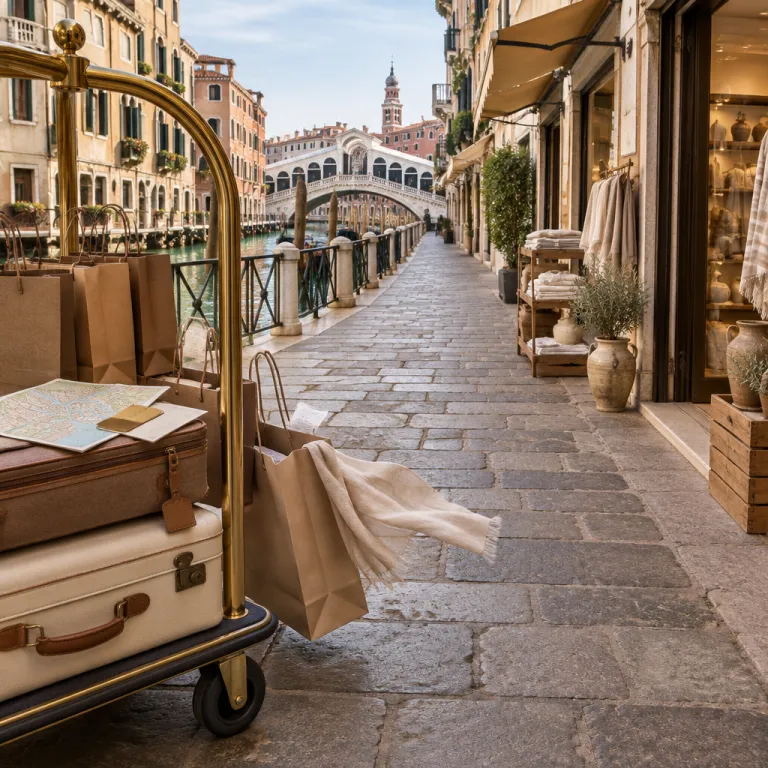
Choosing a hotel near Venice Italy shopping streets around Rialto
Staying close to the main Venice Italy shopping streets around the Rialto area lets you step straight from your hotel into the commercial heart of the city. In this dense part of Venice you will find a shop selling almost everything, from high quality Murano glass to marbled paper and leather goods. The streets between the Rialto Bridge and San Polo feel like the living soul of the city of trade, where local residents and visitors share the same narrow calli.
Begin by thinking about how you like to shop in Venice and how much walking you enjoy each day. If you want the best access to traditional Venetian masks, artisan paper and small family shops, the lanes around the Rialto Bridge and San Polo are ideal, because these districts mix daily markets with long established workshops. Guests who prefer quieter evenings after intense shopping sessions might choose a stay a few minutes away in calmer lanes, while still remaining within 300 to 500 metres of the busiest streets, or about 5 to 7 minutes on foot.
Look carefully at hotel maps that show the exact distance to the Rialto Bridge and the Grand Canal. Properties on or near the Canal Grande give a dramatic view of the city and quick access by vaporetto, which helps when you carry bags from several shops back to your room. Lines 1 and 2 stop at Rialto and run along the Grand Canal, so checking how far your hotel lies from these jetties gives a realistic idea of travel times.
In this central zone you will find both small independent hotels and larger properties with more services. Many of them highlight their proximity to popular shopping streets in Venice in their descriptions, but you should still check walking times to San Marco and San Polo on a map. When a hotel says that guests will find shops right outside the door, confirm that these are not only tourist stands but also local food stores and artisan workshops.
Some travellers want a room with a direct view of the Rialto Bridge, while others prefer a quieter courtyard outlook. Rooms facing the busiest commercial streets can be noisy until late, especially when shops close and staff move stock, so consider upper floors. If you plan a longer trip with several days of shopping, a slightly more secluded room can feel like a calm retreat from the intense energy of the city.
Staying near San Marco and mark square for elegant shopping walks
Choosing a hotel close to San Marco places you beside the most famous square in Venice Italy and within minutes of refined shopping streets. Around Piazza San Marco, often called Saint Mark’s Square or simply San Marco, you will find high quality fashion houses, jewellery shops and historic cafés. This area suits travellers who want the best combination of grand architecture, elegant shopping and easy access to cultural landmarks.
From a hotel near San Marco you can walk under the arcades of the Procuratie and reach luxury boutiques in just a few steps. These arcades connect directly to narrow calli leading towards the Rialto Bridge, where the character of Venice shopping changes from international brands to more local artisans. Staying here lets you move between both worlds in one short stroll, which is ideal if your trip mixes serious shopping with sightseeing.
When comparing hotels, pay attention to how close they are to the busiest corners of the square. A room overlooking Piazza San Marco offers a spectacular view of the basilica and the campanile, but it may also bring noise from early morning deliveries and late night music. Guests who prefer quieter nights while still enjoying some of the best locations for shopping might choose streets just behind San Marco, where you will find a shop or two on each corner but less constant foot traffic.
San Marco is also a strategic base for exploring other parts of the city during a short trip. Vaporetto stops at San Zaccaria and Vallaresso (San Marco Vallaresso) connect you quickly to Murano, the Lido and the railway station, which helps if you plan day excursions after your shopping sessions. For a broader view of which sestiere suits your style, consult a detailed guide to the best areas to stay in Venice for tourists.
Hotels around San Marco often emphasise refined interiors and classic Venetian details such as terrazzo floors and silk wall coverings. Many also provide concierge teams who know the best local shops for Murano glass, marbled paper and Venetian masks, which saves you time. When a property claims to offer the best base in Venice for shopping, ask for specific examples of nearby streets and shops rather than general promises.
Rialto and San Polo: markets, artisans and everyday Venice shopping
The Rialto and San Polo districts form the historic commercial core of Venice, where trade has shaped the city for centuries. Around the Rialto Bridge you will find a dense network of shops that sell everything from fresh produce to Murano glass and hand bound books. Staying in this area gives you a front row view of daily life, especially if your hotel overlooks the market or a busy canal.
Early each morning the Rialto market fills with local residents buying fish, fruit and vegetables, creating a lively atmosphere that feels far from the polished arcades of Piazza San Marco. Hotels nearby place you within a few steps of this scene, which can be one of the best ways to understand how the city still depends on its markets. After the market closes, the same streets transform into relaxed shopping lanes where you will find a shop selling spices, wine and regional delicacies.
San Polo extends west from the Rialto Bridge and offers a slightly quieter, more residential feel. Here you will find small artisan shops that specialise in paper goods, marbled paper, leather and traditional Venetian masks, often run by the same families for generations. A hotel in San Polo can be ideal if you want quick access to central shopping streets but prefer to sleep in a calmer part of the city.
Many visitors staying near San Marco walk across the Rialto Bridge for a half day of shopping and then return to their hotel by vaporetto. If you stay directly in San Polo or near the bridge, you can explore these shops at quieter times, such as early morning or late afternoon, when the crowds thin. To plan a balanced day that combines shopping with major sights, use a practical itinerary for what to see in Venice in one day from a hotel near San Marco or Rialto.
Hotels in this area range from simple guesthouses above shops to refined historic palazzi on the Grand Canal. Some rooms offer a direct view of the Rialto Bridge or the market, which can be unforgettable during sunrise or at night when the stalls are closed. When you compare options, check whether the entrance is on a busy commercial street or in a side alley, because this detail affects both noise levels and how quickly you can reach your favourite shops.
Artisan addresses: Gianni Basso, Libreria Acqua Alta and paper treasures
For travellers who value craftsmanship, certain artisan addresses near the main shopping streets become essential stops. One of the most respected is the print shop of Gianni Basso, a long established printer whose workshop in Cannaregio produces engraved cards, letterheads and small books. Many guests staying near Rialto or San Marco plan a special trip to his shop to order personalised stationery that reflects the elegance of the city.
Gianni Basso’s workshop feels like a living museum of printing, with antique presses, drawers of type and stacks of fine paper. Visitors will find both individual sheets and bound volumes, often decorated with marbled paper in rich Venetian colours, which make refined souvenirs. Because the shop is small, it is wise to visit early in the day or during quieter hours, especially if you want to discuss a custom order during your trip.
Another beloved address is Libreria Acqua Alta, a bookshop near San Marco that has become famous for its whimsical interior. Inside you will find books stacked in bathtubs and gondolas to protect them from acqua alta, the high water that sometimes floods the city, creating a surreal yet practical design. The shop’s courtyard staircase made of old books offers a unique view over a small canal, and many guests consider it one of the best photo spots during their shopping walks.
Both Gianni Basso and Libreria Acqua Alta show how deeply paper and books are woven into the culture of Venice Italy. Hotels that understand this side of the city often keep a small guide to local artisans at reception, helping guests find shops that value tradition over volume. When you plan your route through central shopping streets, include time for these quieter visits, which balance the energy of busier fashion areas.
Beyond these famous names, you will find many smaller paper shops scattered between San Polo, Dorsoduro and Cannaregio. Some specialise in marbled paper, others in hand bound journals or limited edition books, and many combine several crafts under one roof. Asking your hotel concierge for their personal favourite paper addresses can lead you to hidden workshops that rarely appear in standard guide books.
Murano glass, Venetian masks and high quality souvenirs near your hotel
Choosing where to stay in Venice Italy also shapes how easily you can reach authentic Murano glass studios and mask makers. Around Rialto, San Polo and San Marco you will find many shops that sell glass and Venetian masks, but the quality varies widely. Guests who care about craftsmanship should look for clear signs of work made in Murano, rather than mass produced imports.
Murano itself lies a short vaporetto ride from the city centre, and a half day trip there lets you see glass furnaces in action. Many travellers stay near San Marco or along the Grand Canal because these areas offer direct boat connections to Murano glass workshops, which simplifies planning. After visiting the island, you can return to central shopping streets with a better sense of what high quality glass looks and feels like.
In the streets around the Rialto Bridge and San Polo you will find both simple souvenir shops and refined galleries. The best approach is to compare several places, paying attention to price, weight and detail, because genuine Murano glass usually feels heavier and more precise. When a shop claims to sell only Murano glass, ask for a certificate of origin and look for the official consortium label, which reputable merchants display proudly.
Venetian masks tell another story of the city, linked to Carnival and theatre. Around San Marco and the surrounding streets you will find many mask shops, but only some still create pieces by hand using traditional paper mâché techniques. Hotels with strong local connections can often recommend specific artisans whose masks combine comfort, durability and artistic flair, making them suitable for both display and wearing.
When you walk through Venice Italy shopping streets in the evening, illuminated windows full of glass and masks create a magical atmosphere. Staying nearby means you can browse at quieter times, when shopkeepers have more time to explain their work and the history behind each piece. This slower rhythm turns simple shopping into a deeper cultural experience, where each purchase carries a memory of the city’s craft traditions.
Hidden lanes: Calle dei Nobili, Casin dei Nobili and the quieter soul of shopping
Beyond the famous arteries near Rialto and San Marco, Venice hides smaller lanes where shopping feels more intimate. Streets such as Calle dei Nobili and the area around Casin dei Nobili in Dorsoduro offer a different rhythm, with a mix of local shops and small galleries. Staying in a hotel near these quieter corners lets you experience a more residential side of the city away from the heaviest crowds.
Calle dei Nobili, whose name recalls noble families, runs through a residential part of the city where you will find a shop selling everyday goods beside an artisan workshop. Here shopping becomes part of daily life rather than a separate activity, and you may share the counter with neighbours buying groceries. Guests who choose hotels in these zones often say they feel more connected to the local community, even during a short trip.
The Casin dei Nobili area near the Zattere waterfront offers another gentle side of Venice Italy shopping streets. Small shops here focus on design objects, art prints and carefully selected books, often with a strong link to the lagoon and its history. After browsing, you can walk a few metres to the wide Zattere promenade, where the view across the Giudecca Canal provides a spacious contrast to the narrow calli near Piazza San Marco.
These quieter districts still connect easily to the main shopping routes by vaporetto or a pleasant walk. Many guests choose to stay in Dorsoduro or other calm sestieri and then make focused excursions to Rialto, San Polo and San Marco for specific purchases. This strategy lets you enjoy the most popular shopping streets while returning each evening to a more peaceful base.
When you evaluate hotels, consider whether you prefer to step directly into busy Venice Italy shopping streets or to walk five or ten minutes from a calmer lane. Both options have advantages, and the right choice depends on how you like to balance energy and rest during your trip. Whatever you decide, you will find that the city’s layered network of streets, from Calle dei Nobili to the arcades of Piazza San Marco, offers endless ways to explore shops at your own pace.
Key figures about Venice hotels and shopping streets
- Official tourism reports from the Comune di Venezia indicate that the city welcomes many millions of visitors per year, which means central hotels near Rialto and San Marco often reach high occupancy in peak months.
- The historic centre of Venice covers about 7.6 square kilometres, so most major shopping streets between Rialto, San Polo and San Marco lie within a 20 to 25 minute walking radius.
- Murano glass production employs a substantial number of specialised workers across numerous furnaces on the island of Murano, according to data published by the Consorzio Promovetro Murano, underscoring the importance of buying certified pieces.
- Hotel prices in Venice’s central districts can be significantly higher than in outer areas during peak season, according to regional tourism statistics, largely because of demand for rooms near key shopping and cultural streets.
- High water events known as acqua alta typically occur several times each autumn and winter, and the city’s tide forecasting service helps hotels and shops protect goods and adjust access routes when necessary.
FAQ about Venice Italy shopping streets and hotel locations
Which area is best to stay in for shopping in Venice Italy ?
For intensive shopping, the streets between the Rialto Bridge, San Polo and San Marco offer the highest concentration of shops, from fashion to Murano glass and paper. Staying within a 5 to 10 minute walk of these areas lets you return to your hotel easily with purchases. Guests who prefer quieter evenings often choose nearby Dorsoduro or Cannaregio and walk or take a vaporetto to the main shopping streets.
Are Venice Italy shopping streets suitable for walking with luggage ?
Most central shopping streets in Venice are pedestrian only and paved with stone, which makes them walkable but sometimes crowded. If your hotel lies directly on a busy street near Piazza San Marco or the Rialto Bridge, consider arriving early in the day when foot traffic is lighter. For heavy luggage, using a water taxi or vaporetto to reach a stop close to your hotel entrance can reduce the distance you need to walk.
How can I tell if Murano glass in a Venice shop is authentic ?
Authentic Murano glass usually carries a certificate of origin and often a label from the Consorzio Promovetro Murano. Genuine pieces tend to feel heavier and show precise details, with clear colours and clean finishes. Visiting at least one furnace on Murano island during your trip helps you recognise quality when you return to shops in Venice Italy shopping streets.
Is it better to stay near San Marco or Rialto for first time visitors ?
San Marco offers immediate access to Piazza San Marco, major monuments and luxury shopping, which many first time visitors appreciate. The Rialto area and San Polo feel more local and market focused, with excellent access to everyday shops and artisan workshops. Both zones work well, so your choice depends on whether you value grand squares and monuments or a more traditional commercial atmosphere.
Do shops in Venice close early, and how does that affect hotel choice ?
Most shops in central Venice open from late morning until early evening, with some closing for a short midday break. Streets near San Marco and the Rialto Bridge remain lively into the evening because of restaurants and bars, which can create noise for rooms facing main routes. If you prefer quiet nights, choose a hotel on a side street a short walk from the busiest Venice Italy shopping streets rather than directly on them.
Sources: Comune di Venezia tourism statistics; Consorzio Promovetro Murano; Regione Veneto tourism reports.