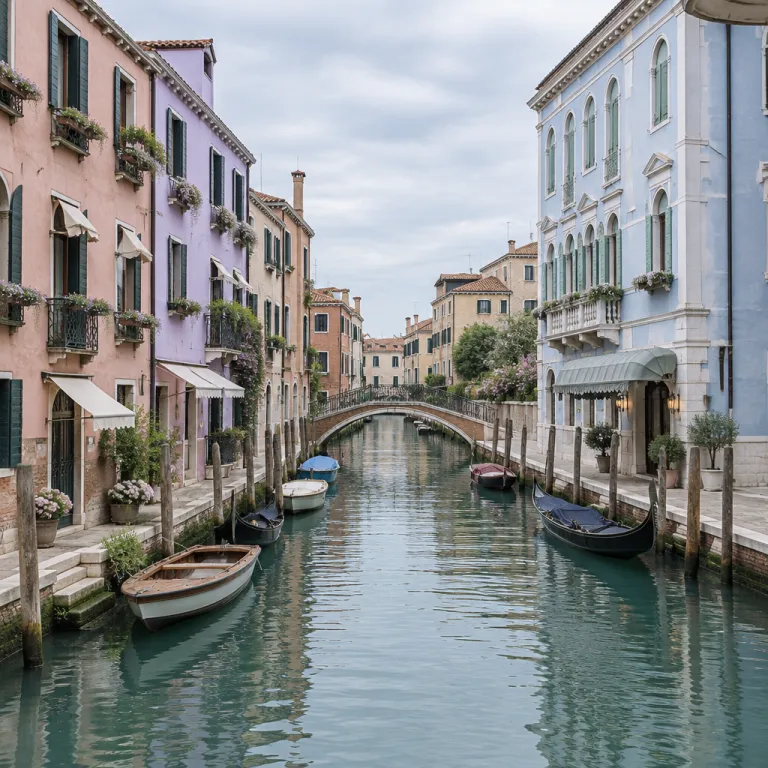
Venice Italy travel guide to choosing the right district
Venice is a compact city, yet each district feels distinct. When you plan your Venice Italy stay, your choice of area will shape every ride, view, and late night walk. This guide to Venice hotels starts with neighbourhoods because the right square outside your hotel door matters more than any lobby.
For many first time visitors, San Marco seems the best place to stay in Venice Italy. The district wraps around the grand heart of the city, with Piazza San Marco opening towards the lagoon in a beautiful sweep. From a hotel near this main square you can walk to the Grand Canal, arrange a gondola ride, and reach the Rialto Bridge or the Bridge of Sighs in less than ten minutes.
Travel Venice veterans often prefer San Polo or Dorsoduro for a quieter experience. In San Polo you stay close to the Rialto Bridge and the market, with easy access to the Grand Canal and fast water taxi connections. Dorsoduro faces the city across wide canals, so from a hotel here you enjoy calmer nights, shorter queues, and some of the best lagoon sunsets in Venice Italy.
Cannaregio suits travellers who want a more local Venice travel rhythm. Hotels along its canals place you near the train station, which shortens your arrival time and simplifies every ride with luggage. From here, visiting highlights such as the Doge’s Palace, Piazza San Marco, and the Grand Canal still takes only a pleasant day walk or a short vaporetto ride.
Castello stretches behind San Marco, blending residential streets with historic sites. A hotel in this district lets you visit Venice’s quieter churches in the morning, then reach Piazza San Marco or the Bridge of Sighs by canal path in the afternoon. If you travel with children, the wider squares and parks here offer space to play and a softer city experience.
For guests who value quick airport transfers, consider staying near the northern lagoon edge. Several hotels here sit close to water taxi piers, which can cut your travel time from Venice airport to around thirty minutes. This Venice Italy travel guide recommends asking your concierge to compare private water taxi prices with shared options before you book.
Arriving in Venice Italy and navigating canals like a local
Every Venice Italy travel guide begins on the water, because the city has no cars. When you arrive, your first ride by vaporetto, water taxi, or gondola sets the tone for your stay and shapes your sense of distance and time. Understanding how to move between your hotel, the Grand Canal, and each square will save both money and energy.
The official vaporetto water buses run along the Grand Canal and around the lagoon, forming the backbone of Venice travel. Before you visit, consider buying a multi day pass, which usually becomes the best value once you take more than three rides in twenty four hours. The Venice Tourism Board advises travellers to “Purchase a multi-day vaporetto pass” (Venice Tourism Board, practical transport guidance, accessed March 2024).
Private water taxi services offer a faster, more direct experience from airport to hotel. They cost more than the vaporetto, yet for a family or a small group the shared fare can be reasonable, especially when your hotel has a private canal entrance. Typical private boat transfers from Venice Marco Polo Airport to central areas such as San Marco or the Rialto Bridge range from about €120 to €160 per boat in 2024, depending on time of day and luggage (price range based on aggregated Venice water taxi operator quotes, January–March 2024).
Many guests dream of a gondola ride on the Grand Canal, but locals often suggest smaller side canals for a more intimate experience. A short gondola ride through narrow waterways near San Polo or Dorsoduro can feel more beautiful and less crowded than a longer circuit near Piazza San Marco. If you plan several gondola rides, reserve one at sunset and keep the others for quieter day times.
Walking remains the most atmospheric way to travel Venice, especially between San Marco and the Rialto Bridge. Wear comfortable shoes, because the city spans 118 islands linked by hundreds of bridges, and each bridge adds steps to your day. Concierges often provide paper maps alongside mobile apps, since narrow streets and stone walls can interrupt phone signals.
During periods of acqua alta, the seasonal high tides that sometimes flood low lying areas, your routes may change. Hotels near Piazza San Marco or the lower parts of the Grand Canal often keep rubber boots for guests and share updated acqua alta forecasts at reception. When visiting Venice in these conditions, allow extra time to reach the Doge’s Palace, the Bridge of Sighs, or any canal side restaurant booking.
Choosing a hotel style and room for your Venice stay
Room selection in Venice Italy deserves more attention than in many European cities. Because buildings are historic and canals shape every street, two rooms in the same hotel can offer entirely different experiences. This Venice Italy travel guide encourages you to look beyond star ratings and focus on view, access, and noise.
Ask whether your room overlooks a canal, a square, or a quiet internal courtyard. A Grand Canal view near the Rialto Bridge or San Marco can be unforgettable, yet boat traffic and late night activity may affect light sleepers. Courtyard facing rooms in the same hotel often provide calmer nights, shorter check in lines, and better value for a longer stay in Venice Italy.
When you travel Venice during peak seasons, air conditioning and soundproofing become essential details. Older city buildings sometimes have smaller lifts or none at all, so confirm floor level if you have mobility needs or heavy luggage. Concierges in Venice are used to these questions and can guide you towards the best combination of comfort, access, and price.
Families visiting Venice may prefer interconnected rooms or small suites near San Marco or in Cannaregio. These locations keep walking times short between hotel, vaporetto stops, and major things Venice is famous for, such as the Doge’s Palace, the Bridge of Sighs, and the Grand Canal. As a rough guide, mid range family rooms in central districts often start around €220–€280 per night outside peak summer, rising higher during major events (price indications compiled from Venice hotel booking platforms, searched February 2024).
Couples often choose romantic canal side rooms in Dorsoduro or San Polo. From here, a private gondola ride can start directly outside your door, and evening walks towards Piazza San Marco or along the Grand Canal feel especially beautiful. For a quieter experience, ask for a room set back from busy bridges and late night bars.
Business travellers and short stay guests may prioritise efficient transfers and reliable services. Hotels near the train station or the airport boat terminals shorten travel time and simplify every ride to meetings around Venice Italy. When you book, request clear written directions from arrival pier to reception, since even experienced Venice travel professionals sometimes misjudge distances on the map.
Concierge level strategies for timing your Venice days
Concierges across Venice agree that timing transforms the city. The same square, bridge, or canal can feel crowded at midday yet almost private at dawn or late evening. A refined Venice Italy travel guide therefore treats time as carefully as it treats location.
Early morning is ideal for visiting Venice landmarks before tour groups arrive. Walk from your hotel to Piazza San Marco just after sunrise, when the arcades around the square stand almost empty and the light softens the Doge’s Palace façade. From there, continue towards the Bridge of Sighs and the waterfront, then return for breakfast before the day’s first vaporetto crowds gather along the Grand Canal.
Midday suits indoor visits and slower experiences. Reserve this time for the Doge’s Palace, churches near San Marco, or artisan workshops in San Polo and Dorsoduro, where you can learn about traditional crafts that shaped things Venice exports worldwide. Concierges often recommend booking timed tickets for major sites, which reduces waiting and leaves more hours for a gondola ride or a relaxed lunch.
Late afternoon is perfect for a scenic ride along the Grand Canal. Take a vaporetto from Piazzale Roma or the train station and stand near the front to watch palaces unfold one by one. This simple ride functions as a moving travel guide to Venice, passing under the Rialto Bridge and near Piazza San Marco while costing far less than a private tour.
Evenings reveal a different city, especially around San Marco and the smaller squares of Castello. After dinner, stroll from your hotel towards the water, listening to orchestras that sometimes play in Piazza San Marco and watching reflections ripple across the canal. For many guests, these unplanned walks become the most beautiful memories of their Venice travel.
Season also shapes your strategy. Spring and autumn usually offer the best balance of pleasant weather and manageable crowds, while summer days can feel intense around San Marco and the Rialto Bridge. Winter brings fewer visitors, shorter opening times, and a chance to experience acqua alta, so ask your concierge to adapt this guide Venice itinerary to the specific month of your visit.
Essential experiences near your hotel: from bridges to hidden squares
Staying in Venice Italy means that world famous sights sit within walking distance. Yet the most rewarding things Venice offers often hide just beyond the main routes between San Marco and the Rialto Bridge. A thoughtful concierge will help you balance headline attractions with quieter corners of the city.
Begin with the classic trio around Piazza San Marco. Visit the Doge’s Palace, cross the Bridge of Sighs, then step into the vast space of the main square, where cafés line the arcades and the campanile towers above the crowds. From here, a short walk or vaporetto ride takes you along the Grand Canal towards the Rialto Bridge, whose stone arches frame some of the most beautiful views in Venice Italy.
Beyond these icons, ask your hotel team for a personalised guide Venice map. They may mark lesser known churches, artisan workshops, or quiet squares where locals gather in the evening. In San Polo, for example, small bacari wine bars serve cicchetti, the local snacks that turn a simple stop into a memorable travel experience.
Water based experiences extend far beyond a single gondola ride. Consider a late afternoon cruise along the Grand Canal, followed by a shorter gondola journey through side canals near your hotel, where the city’s reflections feel more intimate. If you enjoy photography, concierges can suggest bridges and canal bends where the light at certain times of day turns Venice into a natural studio.
For guests staying several nights, day trips across the lagoon add variety. From central piers, a vaporetto ride reaches Murano, Burano, or Torcello, each offering different things Venice is proud of, from glassmaking to colourful houses and ancient churches. Plan these excursions with your concierge, who can align departure times with your dinner reservations back in the city.
Even simple transitions between hotel and restaurant can become highlights. Choose routes that cross at least one major bridge and one quiet canal, so you experience both the grand and the intimate sides of Venice Italy. Over a few days, these layered walks turn your personal travel guide into a lived map of the city.
Practical concierge tips: budgets, seasons, and respectful travel
Behind every elegant stay in Venice lies careful planning. Hotel concierges work daily with the realities of tides, crowds, and transport, and their advice often saves both time and money. This Venice Italy travel guide draws on those patterns so you can arrive prepared and relaxed.
Start by setting a realistic daily budget that includes more than the room rate. In Venice Italy, you will likely spend on vaporetto rides, occasional water taxi transfers, museum entries, and at least one gondola ride along a canal near San Marco or your hotel. Ask the concierge to estimate typical costs for your preferred restaurants and activities, then adjust your plan before your first full day.
Seasonal shifts matter. Spring and autumn usually offer the best combination of weather and crowd levels, while summer brings longer opening hours but denser lines at the Doge’s Palace, the Bridge of Sighs, and Piazza San Marco. Winter stays can feel atmospheric and often more affordable, though acqua alta may affect low lying squares and some canal side entrances.
Respectful behaviour keeps Venice welcoming for both residents and guests. Stay on the right side of narrow bridges, avoid sitting on church steps or monument bases, and keep rolling luggage noise to a minimum in quiet streets at night. Concierges sometimes share short printed guides Venice hotels have created, outlining simple ways to support the city’s fragile fabric.
For safety and comfort, follow three core habits. Wear supportive shoes for long walks across bridges, carry a light layer for cooler evenings on the Grand Canal, and keep your hotel card handy in case you lose your way in the maze of streets. The Venice Tourism Board notes that walking and using the vaporetto are the primary modes of transport, so planning around them makes every ride smoother (Venice Tourism Board, visitor information, updated 2023).
Finally, remember that Venice hosts around 25,000,000 visitors each year across its 118 islands, according to Comune di Venezia tourism statistics for 2019 (Comune di Venezia, “Dati sul turismo 2019”, published 2020). This scale explains why early bookings, flexible timings, and patient attitudes make such a difference to your experience. With a trusted hotel concierge as your ally, your personal Venice travel story will feel less like a checklist of things Venice is known for and more like a graceful passage through a living city.
Key figures for planning your Venice hotel stay
- Venice is built across 118 islands in the Veneto region of Italy, which explains the dense network of bridges and canals that shapes every hotel transfer and daily walk (source: Venice Tourism Board, city overview, accessed March 2024).
- The city welcomes around 25,000,000 visitors each year, so booking your hotel and key attractions such as the Doge’s Palace and Piazza San Marco well in advance significantly improves availability and pricing (source: Comune di Venezia tourism statistics, “Dati sul turismo 2019”, published 2020).
- Spring and autumn generally offer the most comfortable balance of weather and crowd levels for visiting Venice, while summer represents the peak season with higher room rates and busier vaporetto lines (synthesised from Venice Tourism Board seasonal guidance, updated 2023).
FAQ about Venice hotels and travel logistics
What is the best time to visit Venice for a hotel stay ?
Spring and autumn usually provide mild temperatures, softer light, and fewer crowds than the peak summer months. These seasons often bring better value on hotel rates, especially for longer stays near San Marco or along the Grand Canal. Winter can be atmospheric and quieter, though acqua alta and shorter days require more flexible planning.
How do I get from Venice airport to my hotel ?
You can choose between the public Alilaguna boat, a private water taxi, or a combination of bus and vaporetto. Private water taxis are the fastest and most direct option, often reaching central hotels near Piazza San Marco or the Rialto Bridge in about thirty minutes. For better value, many travellers combine a bus to Piazzale Roma with a vaporetto ride along the Grand Canal.
What is the best way to move around Venice from my hotel ?
Walking and using the vaporetto are the primary modes of transport, with bridges linking the islands and boats covering longer distances. A multi day vaporetto pass usually offers the best value if you plan several rides each day. For special occasions, you can add a gondola ride or a private water taxi transfer to your itinerary.
Are gondola rides expensive and how can I save money ?
Yes, gondola rides can be costly ; consider sharing to reduce expenses. Official rates are posted at gondola stations, with higher prices in the evening and for longer routes. To save money, share a gondola with friends or family and choose a shorter ride through quieter canals rather than a long circuit on the Grand Canal.
Which Venice district should I choose for my first hotel stay ?
San Marco suits first time visitors who want to stay near major sights such as Piazza San Marco, the Doge’s Palace, and the Bridge of Sighs. Travellers seeking a calmer atmosphere often prefer Dorsoduro or Cannaregio, which still offer easy access to the Grand Canal and central squares. Your ideal district depends on whether you prioritise nightlife, quiet evenings, or quick transport connections.
References
- Venice Tourism Board, visitor and transport information, updated 2023–2024.
- Comune di Venezia tourism statistics, “Dati sul turismo 2019”, published 2020.
- Italian National Tourist Board (ENIT), Italy destination overview, accessed March 2024.