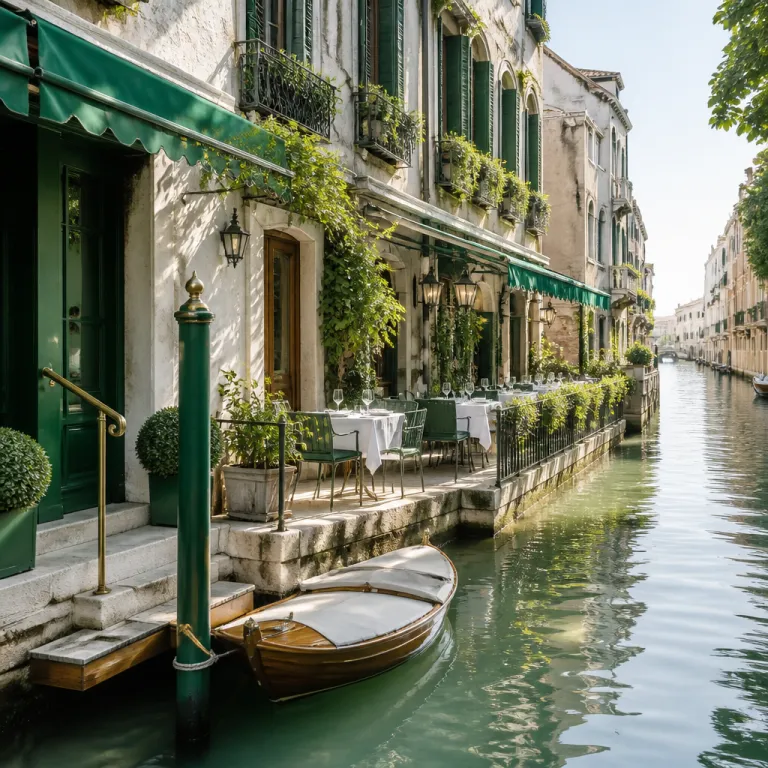
How hotel location shapes your experience of the best restaurants in Venice Italy
Choosing where to stay in Venice quietly determines which restaurants feel like your natural dining room. When your hotel is near San Marco or close to the Rialto Bridge, you gain effortless access to many of the best restaurants in Venice Italy while still being able to retreat to calm after dinner. In a city without cars, the distance between your room and your table is measured in minutes on foot or by vaporetto, turning every meal into a gentle stroll rather than a commute.
Guests in hotels around Piazza San Marco often ask for a good restaurant Venice option that balances refined cuisine with an authentic Venetian atmosphere. From this main square you can walk to landmark Venice restaurants such as Ristorante Quadri, where the Alajmo family reimagines typical Venetian cuisine with tasting menus that highlight seafood, seasonal vegetables, and precise cooking (source: Ristorante Quadri official information, 2024). Staying nearby also makes it easy to enjoy a leisurely lunch–dinner sequence, perhaps starting with cicchetti at a small bacaro before moving to a more formal restaurant for a longer meal and a final espresso.
If your hotel is closer to San Polo or the quieter Santa Maria Formosa area, you will find a different selection of places to eat Venice style. Around San Polo, near the Rialto Bridge and its historic market, many restaurants Venice wide focus on ultra-fresh seafood and simple food prepared with excellent olive oil and bright tomato sauce. In the streets around Santa Maria dei Miracoli, a discerning traveller can always find a small place to eat traditional dishes, then return to their room within ten minutes of finishing the final glass of wine and a short walk along the canals.
Fine dining and Michelin stars near Venice’s most elegant hotels
For travellers booking high-end hotels, the best restaurants in Venice Italy often mean Michelin-starred dining within a short walk or private boat ride. Venice currently counts several Michelin-recognised restaurants in the city and lagoon islands, and many of them sit close to major hotels or offer private mooring for guests arriving directly from the water (source: Michelin Guide Italia, 2024 edition). This proximity allows you to plan a seamless evening where you leave your room, step onto a launch, and arrive at your table without ever checking a map or worrying about transport delays.
GLAM Enrico Bartolini, a two Michelin star restaurant Venice proudly features in the historic Palazzo Venart, is a prime example of how refined cuisine and tranquil gardens can coexist in the heart of Venice Italy. Here the menu focuses on contemporary Italian cooking with a strong Venetian accent, using seafood, lagoon herbs, and carefully sourced vegetables to create a tasting selection that feels both rooted and innovative (source: GLAM Enrico Bartolini official site, 2024). Many diners appreciate asking the sommelier to guide them through the wine list, which ranges from crisp local whites to structured reds that pair beautifully with richer food and cheese courses.
Another address that hotel concierges frequently recommend is Il Ridotto, where chef Gianni Bonaccorsi serves a compact menu of land and sea dishes in a small dining room near San Marco. The restaurant’s limited number of tables means you should reserve well ahead of time, especially if you want a special lunch–dinner experience after a morning exploring Piazza San Marco or the nearby basilica. For guests staying across the water at Hotel Cipriani on Giudecca, the private launch makes it easy to reach these central Venice restaurants while still enjoying the calm of the island when you return to your suite.
Authentic Venetian cuisine in San Polo, Rialto, and Santa Maria districts
Many travellers staying in central hotels ask where to find places to eat that feel genuinely local rather than purely touristic. The neighbourhoods around San Polo, the Rialto Bridge, and the churches of Santa Maria Gloriosa dei Frari and Santa Maria dei Miracoli remain some of the best areas to experience typical Venetian cuisine. Here you can move from a standing bar serving cicchetti to a sit-down restaurant Venice style in the space of a single narrow calle, following the flow of locals on their evening passeggiata.
Near the Rialto Bridge market, restaurants in Venice side streets often build their menus around whatever seafood has arrived that morning, from spider crab to tiny lagoon shrimp. A good example is Al Covo, where chef Cesare Benelli focuses on refined Venetian cooking that respects tradition while using modern techniques and a careful selection of ingredients (source: Al Covo official information, 2024). Expect dishes dressed with fragrant olive oil, slow-cooked tomato sauce, and herbs that echo the marshlands surrounding Venice Italy and the wider Veneto countryside.
In San Polo itself, Trattoria al Gatto Nero on nearby Burano, run by the Bovo family, is frequently cited by local experts as one of the best restaurants in Venice Italy for hyper-local seafood (source: regional dining guides and Burano tourism materials, 2024). Reaching it requires a boat ride, but many hotels can arrange the transfer, turning the journey into part of the experience and giving you more time on the lagoon. Back in the city, smaller places to eat around Santa Maria often offer a concise menu, a focused wine list, and a relaxed atmosphere that suits guests who prefer a quiet place to eat after a full day of sightseeing and gallery visits.
Classic Venetian institutions and hotel friendly dining rituals
Certain addresses in Venice have become dining institutions, woven into the city’s hospitality culture and the routines of frequent hotel guests. One of the most famous is Harry’s Bar, long associated with writers, actors, and travellers who appreciate its polished yet understated service. Many concierges still highly recommend a pre-dinner drink here, especially if you enjoy observing the choreography of a well-run dining room and the ritual of aperitivo.
For guests staying near San Marco or along the Grand Canal, historic cafés and long-established dining rooms offer some of the most refined restaurant Venice experiences directly overlooking Piazza San Marco. In these settings, typical Venetian flavours meet contemporary cooking, resulting in tasting menus that might pair lagoon seafood with unexpected textures and a carefully calibrated wine selection. The central position makes it easy to plan a leisurely lunch–dinner combination, perhaps starting with a light midday meal and returning in the evening for a more elaborate menu and dessert.
Across the water, Hotel Cipriani maintains its own strong culinary identity, with restaurants that serve both hotel guests and outside diners arriving by boat. Here the focus often falls on Italian food prepared with impeccable ingredients, from seafood crudo dressed with olive oil to pasta finished in delicate tomato sauce. Because many hotel guests prefer flexibility, the kitchens are used to accommodating different dining times, allowing you to align your meals with spa appointments, lagoon excursions, or opera performances without feeling rushed at the table or skipping courses.
Planning where to eat from your hotel: timing, reservations, and menus
Once your hotel is booked, the next step is to map out the best restaurants in Venice Italy that fit your schedule and style. Early evenings tend to be the best time to eat Venice wide if you want to avoid the heaviest crowds and still enjoy a relaxed atmosphere. This timing also suits many hotel guests who prefer an unhurried dinner before returning to their room rather than staying out very late, especially after a full day on the water.
For Michelin-recognised restaurant Venice options and other high-demand venues, reservations are essential, and your hotel’s concierge can often secure a table even when online systems show no availability. When booking, ask to see a sample menu so you can understand whether the focus is on seafood, meat, or a broader selection of Venetian cuisine, and check whether there is a tasting option or only à la carte. If you have dietary restrictions, remember that many Venice restaurants accommodate them when informed in advance, especially if the request is noted at the time of booking and confirmed on arrival.
Hotel guests who enjoy wine should also inquire about the depth of each restaurant’s wine list, particularly if you are interested in local Veneto labels or rare Italian bottles. Some of the best restaurants in Venice Italy offer pairing menus where each course is matched with a specific wine, which can be an excellent way to explore regional varieties without studying the list in detail. For more casual places to eat, especially in San Polo or near Santa Maria, it is often enough to arrive early and ask for a small table, then let the staff guide you toward the freshest food of the day and the house specialities.
From lagoon to plate: what to order for a true Venetian experience
Understanding what to order will help you appreciate why so many travellers consider these addresses the best restaurants in Venice Italy. Venetian cuisine grew from the lagoon and the spice routes, so you will see seafood, rice, and subtle aromatics appearing across many menus. Even in restaurants attached to hotels, chefs increasingly highlight local ingredients and traditional recipes rather than generic international food, giving guests a stronger sense of place.
Look for typical Venetian dishes such as sarde in saor, baccalà mantecato, and risotto di gò, which showcase the city’s love of seafood and slow, careful cooking. Pasta often arrives dressed with light tomato sauce, clams, or crab, finished with excellent olive oil rather than heavy cream, allowing the main ingredient to remain clear and bright. When a restaurant offers a tasting selection, it can be a good way to sample several classics in smaller portions, especially if you are sharing with a partner or friends from your hotel and want to compare flavours.
To complete the experience, pay attention to the wine selection, which in many Venice restaurants includes crisp Soave, mineral-driven Lugana, and structured Amarone from the wider Veneto region. A thoughtful wine list will also feature sparkling Franciacorta or Prosecco for aperitivo, ideal if you are coming directly from a late afternoon stroll around Piazza San Marco or the Rialto Bridge. Whether you choose a Michelin-starred dining room or a small place to eat tucked behind Santa Maria, the combination of setting, service, and carefully prepared cuisine is what truly defines the best restaurants in Venice Italy for discerning hotel guests.
Key figures that frame Venice’s high end dining scene
- According to recent editions of the Michelin Guide, Venice and the surrounding lagoon islands together host multiple Michelin-starred restaurants, a significant concentration for a compact city and a clear indicator of how seriously local chefs treat fine dining (source: Michelin Guide Italia, 2024 edition).
- The average cost of a meal at a top restaurant in Venice is often around 150 EUR per person for a full tasting menu with wine, which helps hotel guests budget realistically for at least one major gastronomic evening during their stay (source: sample pricing from Michelin-listed Venice restaurants and aggregated booking data from major reservation platforms, 2023–2024).
- Early evenings are widely regarded as the best time to dine in Venice if you wish to avoid peak crowds, a pattern that aligns well with typical hotel check-in times and evening activity planning (source: compiled Venice dining FAQs from local tourism partners and concierge feedback collected in 2023).
- Local tourism and culinary boards consistently emphasise the use of seasonal and lagoon-sourced ingredients, reflecting a broader shift toward sustainable dining practices in many of the best restaurants in Venice Italy (source: regional gastronomy reports and official Veneto food and wine guidelines, latest available updates).
FAQ: dining in Venice when you are staying in a hotel
What is the best time to dine in Venice when staying in a hotel?
Early evenings are ideal to avoid crowds, and this timing also allows hotel guests to enjoy a relaxed meal before returning to their room or heading to a concert or opera. Many of the best restaurants in Venice Italy open for dinner around 19:00, with the first seating offering the calmest atmosphere. If you prefer a later table, ask your concierge to reserve a quieter corner away from the main entrance and the busiest service areas.
Are reservations necessary at top restaurants near major Venice hotels?
Yes, especially during peak tourist seasons. For Michelin-recognised venues and popular Venice restaurants around San Marco, the Rialto Bridge, and Hotel Cipriani, you should book several days in advance, using your hotel concierge whenever possible to monitor cancellations.
Do Venice restaurants accommodate dietary restrictions for hotel guests?
Many do; it is advisable to inform them in advance. When your hotel makes the reservation, ask them to note any allergies or preferences so the restaurant can adjust the menu or suggest suitable dishes from their regular selection and tasting menus.
How far in advance should I plan my restaurant schedule from my hotel?
For the best restaurants in Venice Italy, plan at least one to two weeks ahead if you are travelling in high season, especially for Friday and Saturday nights. More casual places to eat in San Polo or near Santa Maria can often be decided on the same day, though arriving early still helps. Building a simple schedule with your hotel concierge on arrival ensures you balance fine dining, informal meals, and time for spontaneous discoveries.
Is it better to dine in my hotel restaurant or explore independent venues?
Many luxury hotels in Venice Italy operate excellent in-house restaurants, some with Michelin recognition, which offer convenience and refined service. At the same time, exploring independent restaurant Venice options in different districts exposes you to a wider range of typical Venetian cuisine and neighbourhood atmospheres. A balanced approach works best, with perhaps one special evening in your hotel’s dining room and several nights reserved at carefully chosen restaurants across the city.