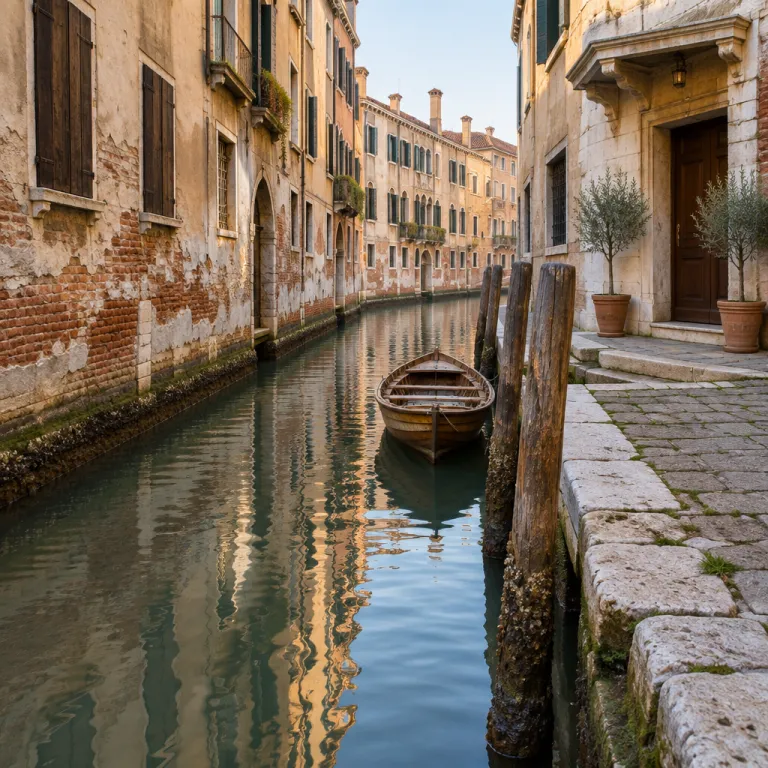
Choosing the right area and hotel to experience a calmer Venice
To understand how to avoid crowds in Venice, start with where you sleep. The area you choose in the city will shape every walk, every vaporetto ride, and every visit you make. A carefully chosen hotel on a quieter island or in a discreet sestiere can instantly help you escape the busiest streets and enjoy a more authentic stay.
Many first time visitors book a hotel close to Venezia Santa Lucia train station or near the Grand Canal, assuming this is the best base in Italy. These areas are convenient for travel, but they also attract the heaviest crowds in Venice during the day and into the evening. If you prefer calm, read maps of Venice in advance and consider staying away from the main island arteries that funnel visitors towards Rialto Bridge and Piazza San Marco.
For a quieter experience when you visit Venice, look at Cannaregio backstreets, eastern Castello, or the Dorsoduro area near Santa Maria della Salute. These neighbourhoods sit close enough to walk to San Marco and the Doge Palace, yet they feel residential and relaxed, especially at night. When you book, ask the hotel for a room facing a courtyard or canal rather than a busy campo, which will significantly reduce noise and passing crowds. Streets such as Fondamenta della Misericordia in Cannaregio or the lanes around Campo San Vio in Dorsoduro are good examples of locations that feel central but noticeably calmer after dark.
Timing your arrival, departures, and daily movements around the city
Arriving at the right time of day is one of the most effective travel tips for avoiding crowds in Venice. If you can, plan your train station or airport arrival for early morning or late evening, when the city feels softer and queues for the vaporetto are shorter. This timing also makes the walk to your hotel more pleasant, especially if you are crossing bridges with luggage on the main island.
When you travel between Venice cruise port and city centre hotels, smart routing helps you escape crowds Venice funnels towards San Marco. Study practical guidance such as this detailed overview of routes and costs from the cruise port to central hotels before you book. You will quickly see which vaporetto lines, private boats, or walks along the Grand Canal are well worth the extra planning to avoid peak time congestion. For example, ACTV line 1 along the Grand Canal is scenic but often packed, while line 5.1 around the outer edge of the city can feel less intense outside rush hour.
During your stay, shape each day around the city’s rhythm rather than fixed sightseeing slots. Plan your visit to Piazza San Marco, the Doge Palace, and a gondola ride for early morning or after sunset, when crowds thin and the atmosphere feels almost theatrical. Use the middle of the day to explore quieter churches such as Santa Maria dei Miracoli or to relax in your hotel lounge, then walk back out when the last cruise groups leave. In high season, aim to be at major sights by 08:30 or after 20:30, and keep the 11:00 to 16:00 window for slower neighbourhood wandering.
Using vaporetto lines, walking routes, and maps to escape the busiest routes
Public transport in Venice can either plunge you into crowds or help you avoid them, depending on how you use each vaporetto line. The Grand Canal routes are iconic, but they are also magnets for visiting Venice in large groups, especially between Rialto Bridge and San Marco. To experience how to avoid crowds in Venice in a more strategic way, combine selective vaporetto use with thoughtful walking routes.
Before you travel, read paper maps of Venice alongside Google Maps, and note the narrow calli that run parallel to the main arteries. When you walk from your hotel to San Marco or to the train station, choose the slightly longer backstreet routes that locals favour. This approach is well worth the extra time, because you will pass quiet campi, artisan workshops, and canals where crowds Venice rarely reach. For instance, when walking between Rialto and Accademia, you can follow signs to San Polo and San Tomà instead of the most direct route, which keeps you away from the densest flows.
If you are visiting Venice with children, plan your movements even more carefully to keep the day relaxed. Resources such as this guide to family friendly activities and planning your stay with kids can help you match gentle walks with playground stops. Combine short vaporetto hops to islands like San Giorgio Maggiore with shaded pauses in less busy squares, and you will find the city far more manageable for every age. A simple pattern is to schedule a morning island visit, a long lunch back near your hotel, and a slow evening passeggiata through quieter sestieri.
Choosing when and how to visit Venice’s major landmarks
The great landmarks of Venice sit at the heart of most itineraries, yet they are also where crowds concentrate most intensely. To enjoy them in comfort, you need to think about how to avoid crowds in Venice at each specific site. Your hotel concierge can help you book timed entries and suggest the best time of day for each visit.
At Piazza San Marco, aim to arrive just after sunrise or late in the evening, when Mark Square feels almost private. Early access tickets for the Doge Palace and the Basilica di San Marco are well worth the investment, because they let you step inside before the main island tour groups arrive. If you plan a gondola ride, ask the gondoliere to avoid the tightest Grand Canal sections near Rialto Bridge at midday, and instead glide through side canals where the city sounds softer. Rides that start near quieter traghetto points, such as Santa Sofia or San Tomà, often feel less hectic than those beginning right beside the bridge.
Across the water, San Giorgio Maggiore and the island of San Giorgio offer a calmer way to admire Venice. Take a short vaporetto ride from San Zaccaria, then ride the bell tower lift for a panoramic view back towards San Marco and Santa Maria della Salute. You will see how the city’s layout channels crowds along certain axes, and this bird’s eye perspective will help you read your maps of Venice more intelligently for the rest of your stay. Visiting the bell tower close to opening time or about an hour before sunset usually means fewer people and softer light for photographs.
Island escapes: Burano, San Giorgio, and quieter corners beyond the main island
When you feel the city tightening around you, the lagoon becomes your greatest ally. Planning half day trips to islands such as Burano, San Giorgio Maggiore, or even Torcello lets you escape crowds while still enjoying the essence of visiting Venice. The key is to time these excursions so that you leave the main island just as the day’s peak begins.
Burano is famous for its colourful houses, yet even here you can avoid the busiest lanes. Use Google Maps only as a loose guide, then wander one or two streets away from the central canal to find quieter views and family run restaurants. If you travel early in the morning or later in the afternoon, you will share the island mostly with residents, and the experience feels far more intimate and well worth the vaporetto ride. Line 12 from Fondamente Nove usually takes around 45 minutes, so leaving before 09:00 or after 15:30 can make the journey and arrival noticeably calmer.
Closer to San Marco, the island of San Giorgio and the church of San Giorgio Maggiore offer a serene counterpoint to the energy of Piazza San. From here, you can look back at the Doge Palace, the Grand Canal entrance, and the domes of Santa Maria della Salute without the press of crowds Venice gathers on the Riva degli Schiavoni. Ask your hotel concierge which vaporetto stop is closest and which departure time will give you the quietest crossing. In many cases, a short ride on line 2 outside the busiest mid morning and late afternoon windows will feel surprisingly peaceful.
Working with your hotel concierge for tailored crowd free experiences
A skilled concierge in Venice is one of your strongest allies in learning how to avoid crowds in Venice. Before you arrive, send a short reply to the hotel with your priorities, such as quieter walks, less busy restaurants, or alternative routes from the train station. This early communication will help the team prepare personalised travel tips and maps of Venice marked with discreet shortcuts.
During check in, ask the concierge to outline a suggested first day that avoids the heaviest crowds. They might recommend a late afternoon visit to Santa Maria dei Miracoli, an evening stroll along a lesser known canal instead of the Grand Canal, or a vaporetto ride to a peaceful island rather than a sunset crush at Rialto Bridge. These tailored suggestions are well worth following, because they draw on years of experience guiding guests through the city in all seasons. Some concierges will even mark specific bridges and bottlenecks to avoid at certain hours, which can transform how relaxed your walks feel.
Throughout your stay, keep the dialogue open and share what worked or felt too busy, then your concierge will refine each new plan. If a particular gondola ride route felt crowded, they can suggest a different canal network for the next evening. When you are visiting Venice for several nights, this iterative approach will gradually reveal a version of the city that feels measured, elegant, and surprisingly calm.
Planning your overall itinerary and booking strategy to stay ahead of the crowds
Thoughtful planning before you book your hotel in Venice will shape how peaceful your stay feels. Start by deciding how many days you will spend in the city, then allocate time for both headline sights and slower neighbourhood walks. A balanced itinerary makes it easier to escape crowds without feeling that you have missed the essentials.
When you visit Venice, avoid stacking all major attractions into a single day, because this forces you into the busiest time slots. Instead, pair one major landmark such as the Doge Palace or San Marco with quieter experiences like a church visit in Dorsoduro or a sunset walk along a less known canal. Use Google Maps and printed maps of Venice together to visualise how you will move, and to identify where crowds Venice usually gathers at midday. Marking likely pinch points, such as the narrow approaches to Rialto Bridge, helps you reroute in advance rather than reacting once you are already in a dense flow.
Finally, consider seasonality and events when you travel to Italy’s lagoon city. Large festivals, cruise schedules, and weekend patterns all influence how to avoid crowds in Venice, especially around the main island and Mark Square. By booking flexible tickets, choosing a hotel in a calmer sestiere, and staying open to concierge advice, you will give yourself the freedom to adjust each day and enjoy a more tranquil, rewarding stay.
Key figures on tourism flows and crowd patterns in Venice
- Venice receives around 20 million visitors per year, while only about 50 000 residents live on the main island, which creates intense pressure on popular areas such as Piazza San Marco and Rialto Bridge (based on Comune di Venezia tourism reports and population data for the historic centre, 2019–2022; see for example the “Dati sul turismo nel Comune di Venezia” section updated in 2022 on the official municipal website).
- Day trippers account for roughly 70 percent of visiting Venice tourists, meaning that crowds peak between 10:00 and 16:00, especially along the Grand Canal and around the Doge Palace (figures reported in the European Parliament’s 2018 study on overtourism in European cities, “Overtourism: impact and possible policy responses,” published in October 2018).
- More than 60 percent of visitors arrive via the train station or the main road access at Piazzale Roma, concentrating foot traffic along the most direct walking routes towards San Marco (estimates drawn from regional transport authority summaries for Veneto and Comune di Venezia mobility reports, including the “Piano Urbano della Mobilità Sostenibile” documents released between 2018 and 2021).
- Studies by the Italian National Institute of Statistics indicate that overnight guests who stay at least two nights are more likely to explore outer districts and islands such as Burano and San Giorgio Maggiore, which helps distribute crowds more evenly across the lagoon (ISTAT tourism statistics for the Metropolitan City of Venice, 2018–2021, particularly the “Movimento dei clienti negli esercizi ricettivi” tables for Veneto).
FAQ about avoiding crowds in Venice when booking your hotel
Which areas of Venice are best for a quieter hotel stay ?
For a calmer atmosphere, look at Cannaregio away from the train station, eastern Castello near San Pietro, or Dorsoduro close to but not directly on the Grand Canal. These districts allow you to walk to San Marco in 15 to 25 minutes while avoiding the busiest streets. They also offer more residential restaurants and bars, which feel gentler in the evening.
What is the best time of day to visit Piazza San Marco and the Doge Palace ?
The quietest times are early morning just after opening and late evening for the square itself. Midday brings the highest concentration of tour groups and day trippers, especially in high season. Booking timed entry tickets for the Doge Palace and arriving before 09:00 or after 16:00 significantly reduces waiting and crowding.
How can I use the vaporetto to avoid the most crowded routes ?
Try to avoid the busiest Grand Canal lines at peak commuting and sightseeing hours, typically 09:30 to 11:30 and 16:00 to 18:30. Use less popular lines that skirt the outer edge of the city or connect directly to islands such as San Giorgio Maggiore or Burano. Travelling slightly earlier or later than the main wave of visitors makes each vaporetto ride more comfortable.
Is it better to stay near the train station or closer to San Marco ?
Staying near the train station is convenient for arrival and departure, but the area can feel hectic during the day. Hotels closer to San Marco place you near major sights, yet they also sit in the densest tourist zone. Many travellers find a middle ground in Dorsoduro or central Cannaregio, which balance access and tranquillity.
Are island day trips like Burano useful for escaping crowds in Venice ?
Yes, island excursions are an excellent way to step away from the busiest streets while still enjoying the lagoon. Travelling to Burano or San Giorgio Maggiore early in the morning or later in the afternoon helps you avoid the heaviest tour groups. These half day trips provide visual variety and a calmer pace, which makes your overall stay feel more balanced.
Suggested sources for further reading : Comune di Venezia tourism statistics (historic centre visitor numbers and population data, 2019–2022, available via the official “Comune di Venezia – Turismo” pages) ; European Parliament study on overtourism in European cities (2018, “Overtourism: impact and possible policy responses”) ; Italian National Institute of Statistics (ISTAT) reports on tourism in Veneto and the Metropolitan City of Venice (2018–2021, annual tourism datasets).