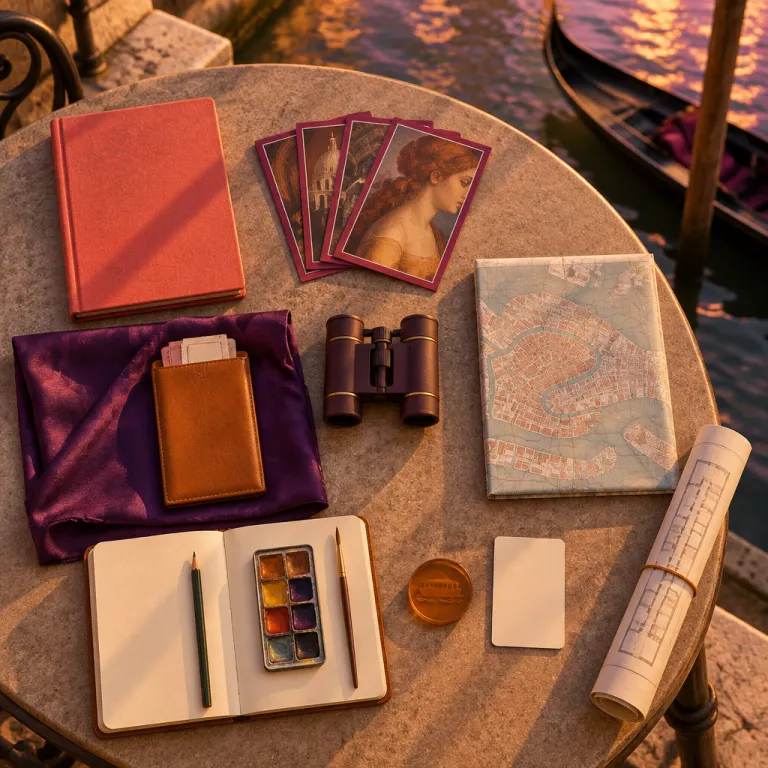
Venice Italy art and museums guide for hotel guests
Venice is a city where every stone seems shaped by art. For a refined traveller choosing a hotel, a focused Venice Italy art and museums guide becomes as essential as a vaporetto ticket. When you select a place to stay, you are also choosing how you will visit each museum, palazzo, and glass museum that defines the city.
Many hotels in Venice curate their own small collection of paintings, sculpture, and Murano glass. These guest spaces often echo the history of each nearby museo and palace, turning corridors into quiet galleries. When you walk through a Venetian lobby, you are already beginning your private museums Venice experience before you even reach the first official Venice museum.
For culture focused visitors, the most useful guide Venice can offer often starts at reception. Ask how long it takes to reach San Marco, the Doge’s Palace, or the Peggy Guggenheim Collection at different times of day. A well informed concierge will help you plan around museum pass options, opening hours, and which civic museums stay open daily or are closed on specific days.
Choosing a hotel by its art, Murano glass, and museum access
When you book a hotel in Venice, consider how its design reflects local art. Rooms that feature original Murano glass lighting or sculpture often signal a deeper relationship with nearby museums and the wider Guggenheim collection. A thoughtful Venice Italy art and museums guide always connects what you see in your hotel with what you will visit outside.
Ask whether the property collaborates with any Venetian museo or civic museums for private tours. Some hotels arrange after hours visits to a palazzo on the Grand Canal or to a smaller Venice museum that is usually closed to the general public. Others may offer a museum pass that includes highlights such as Museo Correr, the Doge’s Palace, and the glass museum on Murano island.
Location matters for both atmosphere and efficient use of your time. Staying near San Marco places you close to the Doge’s Palace, the clock tower, and several museums Venice visitors prioritise, but it can be crowded during the day. A palazzo style hotel along a quieter canal still offers quick access by vaporetto to Punta della Dogana, Palazzo Grassi, and the main museum collection areas.
Planning your museum days around opening hours and closures
Serious art lovers in Italy know that opening hours and closure days can shape an entire stay. Before you finalise your hotel, use this Venice Italy art and museums guide to map which museum or museo you want to see on each day. Then ask the hotel to confirm which sites are open daily, which are closed Mondays, and which are closed Tuesdays.
Museo Correr on San Marco, part of the civic museums network, is a cornerstone of any Venice museum itinerary. It offers a rich collection of Venetian paintings, sculpture, and decorative arts that trace the city’s history from palace politics to everyday life. Because some sections may be closed for restoration at certain times, your hotel concierge can check current hours and advise whether a combined museum pass is worthwhile.
The Doge’s Palace and the nearby clock tower require careful timing, especially in peak season. The Doge’s Palace is often open with extended hours, but special itineraries through the palace prisons or secret passages may sell out early in the day. A hotel that understands museums Venice logistics can pre book your visit, align it with vaporetto schedules on the Grand Canal, and ensure you never waste precious time in queues.
From Peggy Guggenheim to Punta della Dogana and Palazzo Grassi
Modern and contemporary art in Venice centres on a few exceptional spaces along the Grand Canal. The Peggy Guggenheim Collection, housed in her former palazzo, offers an intimate museum experience with masterpieces arranged almost like a private home. Many hotels along the canal maintain their own small collection of Murano glass and paintings that echo the Guggenheim collection’s dialogue between Venetian light and international modernism.
Across the water, Punta della Dogana and Palazzo Grassi form a powerful duo for contemporary art. Both venues belong to the same foundation and often present complementary exhibitions that reward a combined visit in a single day. When you plan with a Venice Italy art and museums guide, ask your hotel to check which site may be closed Mondays or closed Tuesdays, and which exhibitions are open daily during your stay.
These museums Venice highlights are ideal for guests who appreciate art integrated into daily life. You might start the morning with a quiet walk from your hotel palazzo to Punta della Dogana, then return along the Grand Canal past historic civic museums and smaller museo spaces. In the evening, your hotel bar’s Murano glass chandeliers and curated collection of local artworks extend the experience without leaving the building.
Murano glass, the glass museum, and art in guest spaces
For many travellers, Murano glass is the most tangible expression of Venetian creativity. A refined Venice Italy art and museums guide always includes at least one day dedicated to the glass museum on Murano and to carefully chosen workshops. Where you stay in Venice can shape how easily you reach the island and how confidently you navigate the world of glass.
Some hotels work closely with specific Murano glass ateliers and can arrange private boat transfers directly from their own landing on the Grand Canal. They may also advise you on how to use a museum pass that includes the glass museum, or whether separate tickets and flexible hours suit your time better. Before you go, read a specialised resource on buying Murano glass and let your hotel become your best guide by consulting a detailed article about how your hotel can help you choose authentic Murano glass in Venice.
Back at the hotel, pay attention to how Murano glass appears in guest spaces and suites. A lobby chandelier, a bedside lamp, or a sculptural vase can reflect the same techniques you saw in the museo on Murano, but interpreted for contemporary interiors. When a property curates its own collection of glass and art, it effectively becomes a living extension of the museums Venice visitors explore during the day.
Using museum passes and civic museums to shape your stay
Smart use of a museum pass can transform how you experience Venice and its art. Many civic museums participate in combined tickets that cover key sites such as Museo Correr, the Doge’s Palace, and several smaller Venice museum locations. When you check in, ask the front desk to act as your personal guide Venice and to explain which pass best matches your interests and length of stay.
If you are staying only one day or two, focus on the highest impact palazzo and museum experiences. A classic route links San Marco, the Doge’s Palace, the clock tower, and Museo Correr, all within walking distance of many central hotels. With more time, you can add the glass museum on Murano, the Peggy Guggenheim Collection, Punta della Dogana, and Palazzo Grassi, balancing history with contemporary art.
Opening hours and closed days will influence the order of your visits. Some civic museums are closed Mondays, while certain contemporary spaces may be closed Tuesdays, so your hotel should help you avoid wasted journeys. A well planned Venice Italy art and museums guide will weave together open daily landmarks, special exhibitions, and quieter museo visits, ensuring that every hour in Italy’s lagoon city feels thoughtfully curated.
Designing an art focused hotel stay, from San Marco to hidden palaces
An art centred stay in Venice begins with choosing the right neighbourhood. Around San Marco, you are steps from the Doge’s Palace, the clock tower, and several major museums Venice travellers prioritise, though crowds can be intense at peak hours. Along the Grand Canal, historic palazzo hotels offer calmer surroundings and easy boat access to Punta della Dogana, Palazzo Grassi, and the Peggy Guggenheim Collection.
Ask potential hotels how they integrate art and history into their guest experience. Some properties host small exhibitions in their salons, featuring works on loan from a nearby museo or from private Venetian collections. Others may offer guided walks that trace the evolution of palace architecture, linking the Doge’s Palace and Museo Correr with lesser known civic museums and hidden Venice museum spaces.
Use this Venice Italy art and museums guide as a framework when you speak with reservation teams. Share how much time you plan to spend in each museum, which palazzo or glass museum matters most, and whether you prefer open daily sites or quieter venues that may be closed on certain days. The more precisely you describe your interests in art, history, and Murano glass, the more your chosen hotel can transform your stay in Italy into a coherent cultural journey.
Key figures for art and museums in Venice
- The civic museums network in Venice manages more than ten major sites, including Museo Correr and the Doge’s Palace, giving museum pass holders broad access across the city; this figure is based on recent summaries published by Fondazione Musei Civici di Venezia.
- The Peggy Guggenheim Collection in Venice welcomes several hundred thousand visitors each year, placing it among Italy’s most visited modern art museums according to attendance data released by the Solomon R. Guggenheim Foundation.
- The glass museum on Murano holds a collection of thousands of pieces of Murano glass, documenting production from antiquity to contemporary design, as described in the Museo del Vetro’s official catalogues and visitor information.
- Combined tickets for the Doge’s Palace and related civic museums can offer savings compared with individual admissions; recent price comparisons on the official Venezia Unica ticketing service indicate that visitors who plan multiple stops often benefit from bundled passes.
FAQ about Venice art, museums, and hotel stays
Which Venice neighbourhood is best for museum lovers choosing a hotel ?
Travellers focused on museums often choose to stay near San Marco or along the central stretch of the Grand Canal. These areas place you within walking or short boat distance of the Doge’s Palace, Museo Correr, the Peggy Guggenheim Collection, and several civic museums. If you prefer quieter evenings, consider a palazzo style hotel in Dorsoduro, which still offers quick access to Punta della Dogana and Palazzo Grassi.
How many days should I plan for Venice’s main museums ?
Allow at least two full days if you want to see the Doge’s Palace, Museo Correr, the Peggy Guggenheim Collection, and one contemporary venue such as Punta della Dogana. With three or four days, you can add the glass museum on Murano, smaller Venice museum spaces, and time to appreciate art in your hotel’s guest areas. Your hotel concierge can help you group sites by location and opening hours to make the most of each day.
Is a Venice museum pass worth buying for a short stay ?
A museum pass is usually worthwhile if you plan to visit several civic museums, including the Doge’s Palace and Museo Correr, within two or three days. The pass can reduce overall cost and save time at ticket lines, especially around San Marco during busy seasons. Ask your hotel to compare current pass prices with individual museum tickets based on your exact itinerary.
How can my hotel help with Murano glass and the glass museum ?
Many hotels maintain trusted relationships with Murano glass workshops and can arrange private transfers to the island, timed with the glass museum opening hours. They can also advise on authentic makers, price ranges, and shipping options, helping you avoid tourist traps. If you share your budget and style preferences in advance, the concierge can suggest ateliers whose work matches the Murano glass pieces displayed in the hotel itself.
What should I check about museum opening hours before booking a hotel ?
Before confirming your stay, list the museums you most want to see and verify which are open daily, which are closed Mondays, and which are closed Tuesdays. Then choose a hotel whose staff can help you adjust plans if a museo or palazzo changes its schedule or closes specific rooms. This approach ensures that your Venice Italy art and museums guide remains flexible while still covering the essential sites.
Sources: Fondazione Musei Civici di Venezia ; Solomon R. Guggenheim Foundation ; Museo del Vetro, Murano ; Venezia Unica ticketing information.