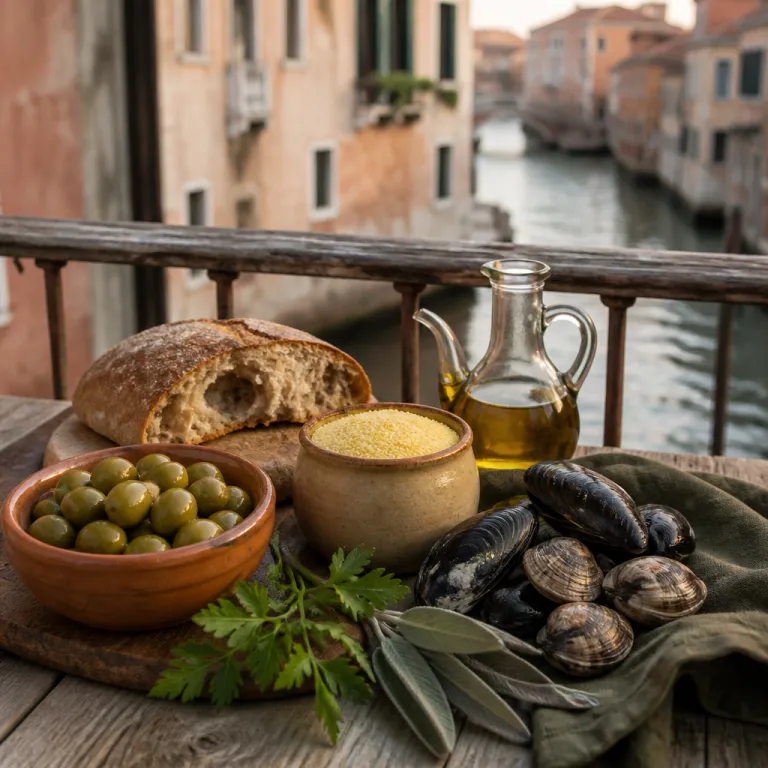
Why your hotel choice shapes the ultimate Venice Italy food guide
Where you stay in Venice quietly determines how easily you reach the most authentic food in the city. Choosing hotels near the Grand Canal, San Polo, or Cannaregio places you within walking distance of traditional Venetian restaurants and informal wine bars that locals still frequent. In practical terms, a well located hotel becomes your base to eat Venice in layers, from early market visits to late night food and drink rituals.
For travellers comparing Venice Italy with Florence, the key difference is that Venice food culture is deeply maritime while Florence leans toward meat and Tuscan countryside cuisine. A hotel concierge who understands this contrast can steer you away from generic Italian restaurants and toward Venetian cuisine that highlights seafood, lagoon vegetables, and recipes shaped by centuries of trade. Ask explicitly whether they maintain a curated list of restaurant Venice options, including both refined dining rooms and informal places for street food and cicchetti.
When you evaluate hotels online, look beyond décor and focus on how staff talk about food and drink in their descriptions. Properties that mention partnerships with Venetian chefs, access to food tours, or proximity to the Rialto Market usually take gastronomy seriously. This attention often translates into better breakfast ingredients, more thoughtful wine choices at the hotel table, and staff who can secure a good restaurant reservation at short notice.
Staying near Rialto Market for seafood, street food, and early mornings
Booking a room near the Rialto Market places you at the heart of Venice food traditions from the moment stalls open. Local fishermen and regional farmers supply the seafood and produce that define Venetian cuisine, and watching chefs select the day’s catch is a powerful lesson in how the city eats. If your hotel offers an early breakfast, you can visit the market at peak time and still return in comfort before planning lunch or dinner reservations.
Many guided food tours start close to the Rialto Bridge, so staying nearby reduces travel time and lets you join morning or Saturday–Sunday departures without rushing. These food tours often include tastings of sarde in saor, baccalà mantecato, and bigoli in salsa, allowing you to sample several classic dish styles before committing to a full restaurant meal. Ask your hotel reception whether they collaborate with any tour operators, because preferred partners sometimes secure smaller group sizes and more generous food and drink portions.
In this area, you will find both sit down restaurants and informal stands serving street food such as fried seafood cones drizzled with olive oil and a quick squeeze of lemon. Carry some cash for tiny bacari, but remember that most larger restaurants accept a credit card for the final bill. When you return to your hotel, review your photo collection of the market stalls and ask staff to help you identify unfamiliar fish or vegetables so you can order them confidently the next day.
Understanding Venetian cuisine from your hotel table to hidden bacari
Venetian cuisine reflects the city’s maritime history and centuries of trade with the East. At its core, this cuisine balances seafood, rice, and polenta with spices that once arrived on merchant ships, creating a style very different from the tomato heavy dishes many visitors expect in Italy. When you sit at a hotel table for breakfast or dinner, look for subtle signs of this heritage such as local jams, lagoon honey, or small plates of marinated fish.
Traditional bacari, the informal wine bars of Venice, are essential to any serious Venice Italy food guide and should sit alongside restaurants in your personal list of places to try. These spots serve cicchetti, which are small Venetian appetizers, and an ombra, which is a small glass of local wine, often enjoyed standing at the counter with friends, family, or colleagues. Many hotels keep a printed list of nearby bacari, and a good concierge will mark which ones are quieter at different time slots, especially on Saturday–Sunday evenings.
Signature dishes such as sarde in saor, baccalà mantecato, and bigoli in salsa appear both in fine dining rooms and in humble taverns across the city. When you see these on a menu, ask whether the seafood is sourced from the lagoon and whether the olive oil is local, because this detail often separates an average plate from the best version. Some hotels invite Venetian chefs for occasional demonstrations, using wood fired ovens and copper pots to show how traditional methods still shape modern plates.
How to read menus, wine lists, and pay comfortably in Venice restaurants
Once you have chosen a restaurant Venice option, the next challenge is understanding the menu and wine list without over ordering. Venetian food is usually structured around several small courses, so a thoughtful Venice Italy food guide encourages you to share plates and leave room for both seafood and vegetable dishes. Ask your hotel staff to highlight a few good restaurants where servers are patient with explanations, especially if this is your first time in the city.
On most menus, you will find a dedicated section for fish, where classics like baccalà mantecato and bigoli in salsa sit beside grilled seafood that arrives with just olive oil and a squeeze of lemon. Pair these with a crisp local white wine from the Veneto region, which complements both delicate lagoon fish and richer fried dishes. When you compare Venice food with what you might eat in Florence, you will notice that red wine plays a smaller role here, except with meat based plates or aged cheeses.
Payment is usually straightforward, as mid range and higher end restaurants accept at least one major credit card, though tiny bacari sometimes remain cash only. Before you leave your hotel, ask reception to write down your room address in Italian so you can show it to a taxi boat driver if dinner runs late. Keep your receipts organized, especially if you plan to share costs with friends, family, or claim expenses later, and photograph them quickly in case paper copies are misplaced.
Iconic experiences: from Harry’s Bar to hotel based food tours
For many travellers, a visit to Harry’s Bar is a non negotiable part of any Venice Italy food guide, even if only for a single drink. This historic bar near St Mark’s Square is famous for the Bellini cocktail and a refined yet simple approach to Venetian cuisine that inspired generations of chefs. If your hotel is within walking distance, you can time a pre dinner visit to Harry’s Bar before moving on to a nearby restaurant for seafood or risotto.
Some higher end hotels now curate their own food tours that start in the lobby and move through markets, bacari, and selected restaurants in the city. These experiences often include behind the scenes access to Venetian chefs, who explain how they work with local fishermen and regional farmers to secure the best ingredients. When evaluating hotels, ask whether such tours run on Saturday–Sunday as well as weekdays, because weekend schedules can affect both availability and crowd levels.
Guests who travel with friends or family often appreciate private tastings arranged in a hotel lounge, where a sommelier presents a focused wine list of Veneto labels paired with small bites of sarde in saor or baccalà mantecato. This format allows you to sample several wines, including white wine and lighter reds, without committing to full bottles at a restaurant. Use these tastings to refine your preferences, then apply that knowledge when you sit down at independent restaurants across Venice Italy later in your stay.
Planning your meals by neighbourhood, day, and hotel location
To make the most of Venice food options, align your daily sightseeing with meal plans anchored around your hotel. If you stay near Cannaregio, you can walk to informal restaurants and bacari that feel more local, while a San Marco address places you closer to iconic venues like Harry’s Bar and Grand Canal side dining rooms. Either way, map out where you will be at lunchtime so you are not forced into the nearest tourist restaurant at the wrong time.
On Saturday–Sunday, some smaller restaurants close or operate shorter hours, so ask your hotel reception to prepare a printed list of reliable options for those days. Include a mix of seafood specialists, traditional Venetian cuisine spots, and casual places for street food such as tramezzini or fried fish cones. This planning matters because Venice is a walking city, and you will appreciate having a clear plan rather than wandering hungry through crowded alleys.
When you compare your Venice Italy experience with a later trip to Florence, you will notice how much water transport shapes where and when you eat. Vaporetto schedules, high tide, and festival days can all affect travel time between your hotel and chosen restaurants. Keep a flexible mindset, and let your growing knowledge of local food and drink culture guide last minute changes, whether that means an extra glass of wine at a canal side table or a spontaneous detour to a recommended restaurant Venice locals love.
Key figures that frame your Venice Italy food experience
- Local tourism guides describe dozens of traditional bacari in Venice, giving visitors a dense network of informal wine and cicchetti bars to explore within walking distance of most central hotels.
- Regional reports on the lagoon economy highlight the importance of commercial fishing, which helps explain why seafood dishes such as sarde in saor, baccalà mantecato, and bigoli in salsa dominate many restaurant menus.
- Hotel concierges in central districts typically maintain a rotating list of trusted restaurants, allowing guests to secure tables even on busy Saturday–Sunday evenings when spontaneous walk ins are difficult.
- Guided food tours that include the Rialto Market and nearby bacari usually last between two and four hours, which makes them easy to schedule between hotel check in and an evening restaurant reservation.
FAQ: Venice Italy food and hotel planning
What is cicchetti and where should I try it from my hotel?
Cicchetti are small Venetian appetizers served in bacari, the traditional wine bars scattered across the city. From most central hotels, you can reach several bacari within a 10 to 15 minute walk, especially in San Polo and Cannaregio. Ask reception for a marked map showing a short cicchetti route that fits your evening schedule.
What is an ombra and how does it fit into local food culture?
An ombra is a small glass of local wine typically enjoyed standing at the bar, often alongside cicchetti. Venetians treat it as a quick social ritual rather than a long drink, making it ideal between sightseeing stops. Many bacari near the Rialto Market serve ombre all day, so you can easily include one on the way back to your hotel.
What is risotto al nero di seppia and where can I order it?
Risotto al nero di seppia is a rich risotto made with cuttlefish ink, which gives the dish its distinctive black colour and deep seafood flavour. Many seafood focused restaurants in Venice offer it as a primo course, especially near the lagoon facing districts. Your hotel concierge can point you toward kitchens known for careful rice cooking and fresh cuttlefish.
Do I need cash, or will restaurants accept a credit card?
Most sit down restaurants and hotel dining rooms in Venice accept at least one major credit card, especially in central tourist areas. Smaller bacari and street food stands may prefer cash, particularly for low cost cicchetti or quick drinks. To stay flexible, carry some euros for informal stops and use your card for larger seafood or tasting menu bills.
How can my hotel help me find the best Venetian cuisine?
Hotels with engaged staff maintain updated recommendations for Venetian cuisine, including both formal restaurants and casual bacari. They can book tables, advise on typical prices, and suggest dishes such as sarde in saor, baccalà mantecato, or bigoli in salsa that suit your tastes. Use their knowledge early in your stay so your personal Venice Italy food guide evolves with each successful meal.
Sources for further reliable information
For deeper context on Venice, Italian cuisine, and responsible travel planning, consult the Italian National Tourist Board, the Veneto regional tourism office, and the Slow Food Italia organisation, which all provide trustworthy, regularly updated guidance.